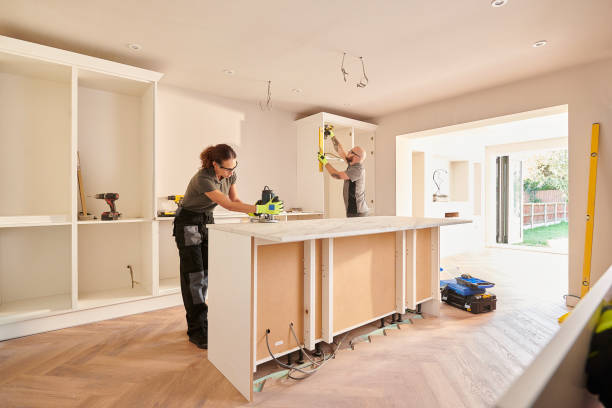
Ask any real estate agent which room sells a house, and the kitchen comes up almost every time. It is where families actually spend most of their time together, and it is also the room buyers scrutinize the hardest when touring a home. That combination makes kitchen remodeling one of the smartest places to invest renovation dollars, as long as the choices are made with both daily life and future resale in mind.
Layout changes tend to deliver the biggest impact, even though they are not always the most visible upgrade at first glance. Opening a kitchen to an adjoining dining or living space, or removing an awkward peninsula that blocks natural flow, changes how the entire home feels to live in. These structural adjustments cost more upfront than surface-level updates, but they often make the difference between a kitchen that feels dated and one that feels genuinely modern.
Cabinetry is usually the single biggest line item in any kitchen project, and for good reason. Cabinets set the tone for the entire room and take the most daily wear. Shaker-style doors in neutral tones continue to hold broad appeal because they read as timeless rather than trendy, while soft-close hinges and full-extension drawers add a quality feel that buyers and homeowners alike notice immediately.
Countertops come in a close second in terms of impact. Quartz has become the default choice for many homeowners because it resists staining and scratching better than natural stone while requiring far less maintenance. Granite still holds appeal for buyers who want a natural material, and butcher block continues to show up in kitchens looking for warmth alongside more durable surfaces elsewhere.
Lighting is one of the most underrated upgrades in any kitchen. Layered lighting, under-cabinet task lighting, pendant fixtures over an island, and recessed ambient lighting throughout, transforms how a space feels far more dramatically than most homeowners expect. A kitchen that was previously lit by a single overhead fixture often looks like an entirely different room once proper lighting layers are added.
Appliances matter, but perhaps less than popular renovation shows suggest. High-end appliances look impressive, but a mismatched, poorly maintained set of mid-range appliances in a well-designed kitchen often outperforms expensive appliances crammed into a layout that does not work. Prioritizing the layout and workflow first, then selecting appliances that fit both the space and the budget, tends to produce better results than starting with a wish list of brand names.
Storage solutions deserve real thought rather than an afterthought. Pull-out pantry shelves, deep drawers for pots and pans instead of lower cabinets with doors, and a dedicated spot for small appliances all make daily cooking easier while also appealing to buyers who notice thoughtful storage the moment they open a few doors during a showing.
Flooring choices need to balance durability with style, especially given how much foot traffic a kitchen floor absorbs over the years. Luxury vinyl plank has become popular for its water resistance and lower cost, while natural materials like tile or hardwood continue to appeal to buyers looking for a more premium finish, assuming the budget allows for it.
Color and finish choices tie the whole project together, and this is where personal taste and resale value sometimes pull in different directions. Bold, trend-driven choices can feel exciting during the project but may not appeal to the widest range of future buyers. Many homeowners strike a balance by choosing neutral cabinetry and countertops, then adding personality through backsplash tile, hardware, or paint that can be updated more easily down the road.
Ultimately, successful kitchen remodeling comes down to balancing how you actually live day to day with how the space will be perceived by anyone who eventually walks through it during a sale. Getting that balance right is what turns a renovation from a simple expense into a genuine investment in the value of the home.