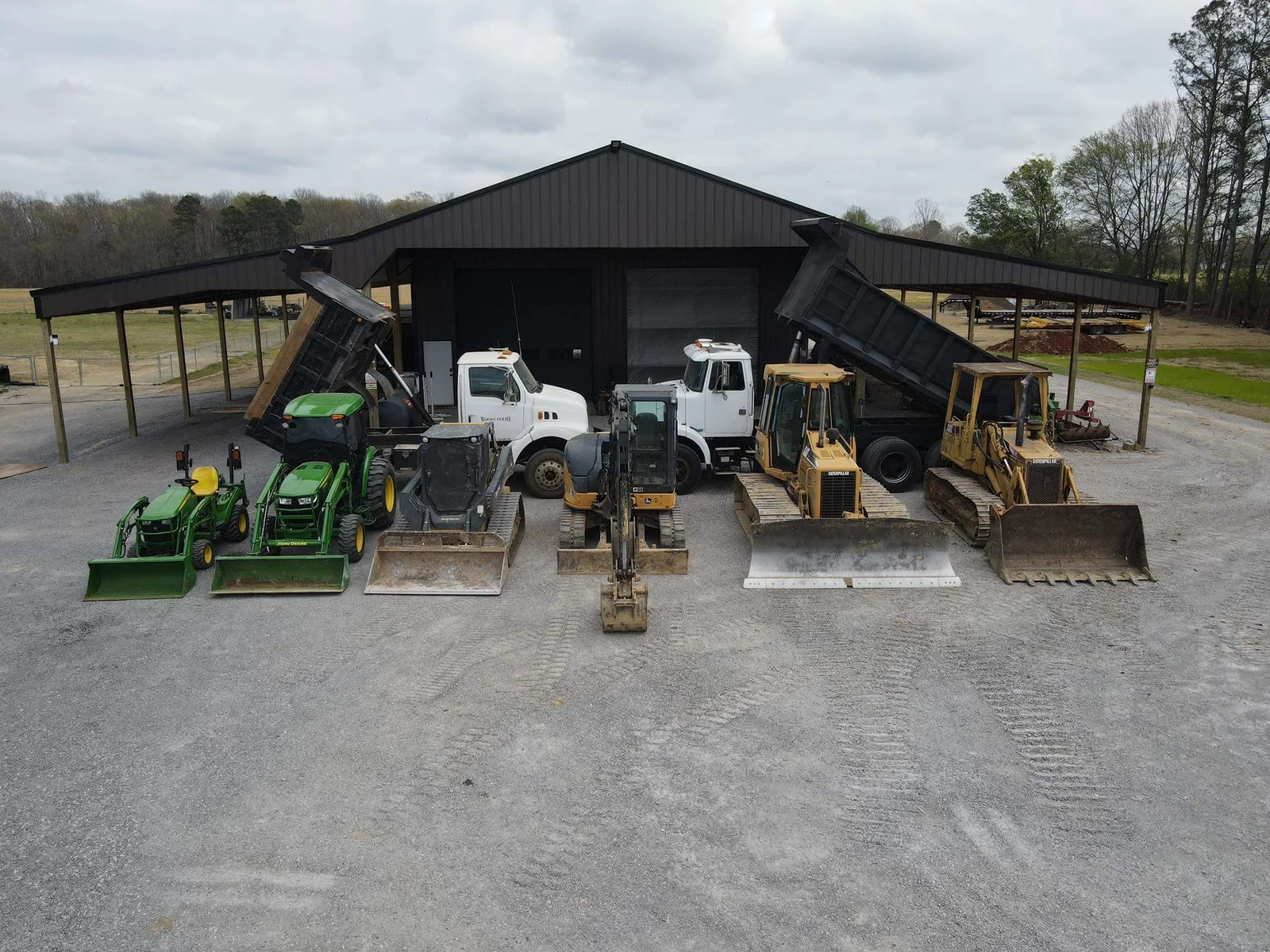
Removing brush, trees, vines, and stumps creates a second project: managing the material left behind. Debris volume is easy to underestimate because standing vegetation occupies space differently after it is cut, piled, chipped, or loaded. Disposal choices influence equipment, access, schedule, cost, smoke, soil disturbance, erosion, and what the property can be used for next. The method should be decided before clearing begins.
Owners comparing landscaping near me should ask whether hauling, chipping, grinding, stacking, or final cleanup is included in the estimate. Land clearing services may define vegetative material, stumps, soil, rock, demolition waste, and trash differently. Later landscaping can also be delayed when hidden roots, oversized chips, unstable piles, or contaminated fill remain where grading and planting are planned.
This guide offers general planning information, not waste, fire, environmental, safety, transportation, or legal advice. Current state, county, municipal, fire, drought, air-quality, landfill, and site-specific requirements may apply. Owners and contractors should verify approved methods with responsible authorities and use qualified professionals for hazardous trees, utilities, burning, traffic, contaminated material, or other specialized risks.
Inventory the Material Before Choosing a Method
Walk the site and separate vegetation by type and size. Record brush, vines, small trees, merchantable logs, large trunks, root balls, stumps, invasive plants, and existing piles. Estimate access and handling rather than only acreage. A lightly wooded acre may create less debris than a small area containing dense mature growth, storm damage, fencing, and tangled vines.
Identify nonvegetative material before machinery processes a pile. Wire, tires, concrete, metal, treated wood, household waste, containers, and demolition debris can damage grinders, contaminate mulch, create unsafe smoke, or require different disposal. Hidden material is common on overgrown property. The contract should explain who stops work, separates waste, and prices unexpected items.
Decide whether any logs, firewood, habitat material, or chips will remain for owner use. Mark retained material and its final location so it is not hauled or mixed with waste. Confirm that storage will not block drainage, utilities, future work, property access, or sight distance. Large wood may require drying, cutting, or additional equipment beyond initial clearing.
Compare Chipping, Grinding, Hauling, and Natural Decay
Chipping can reduce brush volume and create material for paths or mulch when the feedstock is suitable. Chips vary in size and composition and should not be spread automatically across every future planting area. Deep layers can interfere with grading, hold excessive moisture near trunks, or decompose unevenly. Define acceptable chip depth, location, contamination limits, and whether excess material will leave the site.
Grinding handles larger woody material but requires safe access, staging, and protection from thrown debris. Stump grinding typically leaves a mixture of wood and soil that may settle as it decomposes. If the area will support pavement, a structure, or precise grade, additional excavation and suitable backfill may be needed. The final use should determine how deeply and completely stumps are addressed.
Hauling removes volume from the property but adds loading, transportation, disposal, traffic, and potential road-cleaning requirements. Confirm the receiving facility accepts the material and whether soil, stumps, invasive vegetation, or oversized logs have special conditions. Natural decomposition may suit selected low-use areas, but piles still need stable placement, access, pest awareness, and boundaries that do not affect neighbors or drainage.
Treat Open Burning as a Regulated Decision
Burning should never be assumed simply because vegetation is clean. Weather, drought declarations, smoke, distance, property boundaries, local rules, county restrictions, fire control, timing, material type, and air-quality requirements can affect whether and how it may occur. A contractor’s past practice does not establish that burning is permitted for the current date and location.
Alabama open-burning information from the Department of Environmental Management explains state requirements and identifies alternatives for vegetation from land clearing. The agency notes that open burning produces fine particulate matter and provides current regulatory resources. Owners should confirm applicable state and local conditions directly before selecting any burning option.
If burning is authorized, the plan still needs qualified supervision, site preparation, water or suppression resources, weather monitoring, smoke management, emergency access, and a method for handling ash and unburned material. Fuel, trash, treated wood, and nonvegetative waste should not be added. Responsibility for approvals and final extinguishment must be explicit.
Plan Safe Equipment and Truck Movement
Designate routes for loaders, grinders, chippers, trucks, and support vehicles. Account for width, overhead clearance, turning radius, slope, ground strength, utilities, septic systems, culverts, soft shoulders, gates, and neighboring traffic. A disposal method requiring many truck trips may create more surface damage than expected if access was designed only for the clearing machine.
Separate people from active processing zones. Chippers, grinders, saws, loaders, suspended material, and unstable piles create different hazards. Establish exclusion areas and communication methods appropriate to the equipment. Owners and visitors should not enter the work area to retrieve firewood or inspect progress without coordinating with the responsible operator.
Protect public roads and drainage. Loose bark, mud, soil, and chips can fall from trucks or be tracked onto pavement. Loads, vehicle condition, weight, securement, and cleanup must follow applicable requirements. Define who monitors the entrance and responds if material reaches the road. Washing debris into a ditch or storm drain can create another problem rather than completing cleanup.
Coordinate Debris Work With Erosion and Final Grade
Large piles and repeated machine travel can disturb more soil than the original vegetation removal. Choose staging areas outside drainage paths, protected root zones, future septic areas, and locations reserved for structures or finished planting. Limit the number of times material is moved. Each transfer adds compaction, tracking, fuel use, and risk of mixing clean vegetation with soil or waste.
Do not bury woody debris under areas requiring stable grade. Logs, roots, and thick chip deposits decay and can create settlement, voids, uneven moisture, and future maintenance problems. If material is intentionally retained for habitat or natural decomposition, show the area on the site plan. Future owners and contractors should be able to distinguish it from engineered fill.
Stabilize exposed ground as debris leaves. Waiting until the last load may allow rain to erode access routes, pile locations, and stump holes. Rough contouring, temporary cover, inlet protection, and other approved controls should follow the project sequence. Final grading should account for settlement where stumps were removed and for drainage changes caused by the cleared vegetation.
Define Completion and Documentation
Write an acceptance standard that describes maximum remaining debris size, pile locations, stump treatment, chip depth, surface condition, road cleanup, fence repair, access restoration, and excluded work. Terms such as clean or finished are subjective. Photographs or marked plans can show which logs, habitat piles, or material belong on the property after completion.
Collect disposal receipts, facility records, burn approvals when applicable, photographs, change orders, and notes about unexpected waste. Documentation can help resolve questions about quantities, methods, and final condition. It also gives future contractors information about buried utilities, removed stumps, imported fill, or retained debris areas that may affect later excavation or planting.
Inspect the site after equipment leaves and again after rainfall. Look for settlement, ruts, exposed roots, unstable piles, blocked drainage, scattered debris, and damaged entrances. Some corrections are easier while equipment is still nearby. Assign responsibility and a reasonable timeframe for punch-list work rather than assuming every effect will be visible on the final dry day.
Conclusion
Vegetation debris management should be designed with the clearing plan, not improvised afterward. Accurate inventory, separated waste, appropriate processing, verified disposal or burning rules, safe equipment movement, erosion control, and measurable completion standards help owners understand the true scope and avoid leaving future problems beneath a finished surface.
A useful bid comparison should separate cutting, processing, loading, transportation, disposal fees, stump treatment, imported backfill, final grading, stabilization, and road cleanup. Owners can then see whether a lower clearing price depends on leaving chips, logs, root balls, or spoil on the property. Allowances for hidden waste should state how quantities will be measured and approved so discoveries do not become open-ended changes.
The final site walk should follow the intended future use rather than only the clearing limits. Areas planned for lawn, structures, drives, utilities, or planting may require different debris and stump tolerances. Photograph pile locations, filled holes, retained logs, and any inaccessible area before equipment demobilizes. That record helps the next contractor understand what remains and prevents concealed material from being mistaken for stable soil during later work.
The preferred method depends on material, access, final use, environmental conditions, regulations, and budget. Before authorizing disposal, the owner should confirm the destination or approved onsite method, estimated quantity, documentation, weather limits, equipment route, and contingency for rejected or contaminated loads. A clear decision log protects the schedule when site conditions change and gives each contractor the information needed to coordinate the next phase. This supports accountable final project acceptance. Property owners in Athens and Limestone County comparing clearing, debris handling, grading, and landscape preparation may consider Woods Landscaping while reviewing project methods and written scope.