Keeping Your Ductwork Clean Long After the Technicians Pack Up
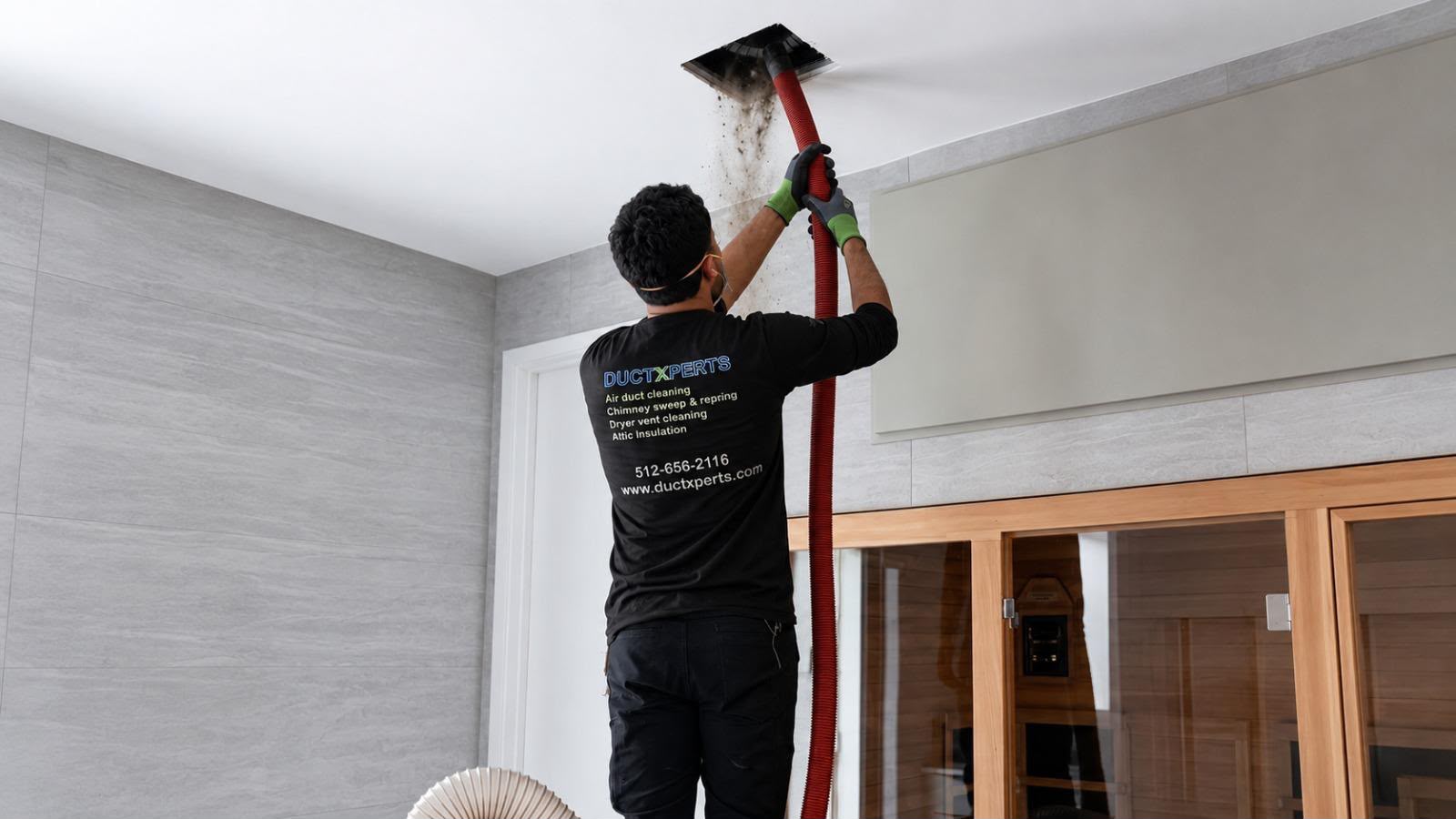
There is no better feeling than watching a technician pull years of gray dust bunnies, pet hair, and construction grit out of your ventilation system, and nothing more frustrating than watching that spotless sheet metal get dirty again six months later. While a professional negative-air cleaning resets your HVAC airways back to baseline, what happens during the other three hundred and sixty-four days of the year determines how clean your indoor air stays. Over years of inspecting residential homes and commercial offices, I have seen five-year-old duct systems that still look factory-fresh inside, and one-year-old installations already choked with matted lint. Fortunately, protecting your ductwork between scheduled cleanings does not require crawling through your attic in coveralls every weekend; a handful of smart, technician-approved habits keeps dust, allergens, and moisture out of your trunks and plenums year-round.
Treating Your Air Filter Like the Front Line of Defense
If your ductwork is the respiratory system of your building, your return air filter is the protective mask guarding the entrance. Every speck of dust that sneaks past a cheap spun-fiberglass panel or a poorly fitted filter frame lands directly on your blower wheel blades, damp evaporator coil fins, and downstream supply plenums. Upgrade to a quality pleated filter rated between MERV-8 and MERV-11, dense enough to capture fine pollen, pet dander, and mold spores without choking your blower motor’s external static pressure, and replace it religiously every sixty to ninety days. If you have shedding pets, run a busy household, or live near ongoing neighborhood construction, check that filter monthly, and always double-check that the directional airflow arrow printed on the cardboard frame points squarely toward the air handler. Just as important, make sure the filter fits snugly in its track with zero gaps around the edges where unfiltered air can bypass the media.
Sealing Return Leaks Before They Vacuum Dust From the Attic
One of the best-kept secrets in the HVAC trade is that most heavy dirt inside residential ductwork does not come from your living room, it gets sucked in through unsealed return plenums and loose duct joints in dusty attics, garages, or crawlspaces. Because the return side of your system operates under strong negative pressure whenever the blower runs, even a quarter-inch gap in a sheet-metal box or wooden return chase acts like a vacuum cleaner, pulling raw fiberglass fibers, blown-in insulation dust, and humid air straight into your system, bypassing your filter completely. Having a technician seal return chases and plenum seams with UL-181 rated mastic keeps your freshly cleaned ducts dramatically cleaner for years while lowering cooling bills.
Controlling Indoor Humidity and Condensation
Dry dust is relatively easy to filter out; damp dust turns into stubborn, cement-like grime that bakes onto metal surfaces and breeds microbial growth inside supply boots. Keep your indoor relative humidity comfortably between forty and fifty percent by setting your thermostat fan mode to “Auto” rather than “On.” Running the fan continuously after the cooling compressor shuts off blows condensation sitting on the wet evaporator coil directly back into your supply ducts instead of letting it drip down the drain line. Pouring a cup of distilled white vinegar down your PVC condensate drain line every couple of months also prevents algae slime clogs that cause pan overflows inside the air handler cabinet.
Simple Everyday Habits Around Registers and Renovations
Vacuuming register louvers with a soft brush attachment during your regular housecleaning stops surface dust from tumbling back into branch lines when the blower cycles off. In commercial spaces and homes alike, keeping floors swept near low wall returns prevents pet hair and carpet fuzz from being drawn straight into the grilles. Just as critical, whenever you sand drywall, refinish hardwood floors, or remodel a bathroom, seal off nearby supply and return grilles with magnetic covers or painter’s tape, and turn the HVAC system off completely, so fine gypsum dust never enters the ductwork. Following practical duct maintenance tips like these extends the life of your professional cleaning and keeps airflow crisp across every room.
Scheduling Periodic Visual Spot-Checks
Once or twice a year, pop open your main return grille with a screwdriver and shine a flashlight inside the plenum to check for dust accumulation, moisture, or loose insulation. Catching a slipped filter or minor damper issue early prevents small headaches from turning into major airway contamination.
Making Clean Air an Effortless Routine
Maintaining spotless ductwork between professional appointments comes down to disciplined filter changes, balanced indoor humidity, airtight return plenums, and smart protection during home projects. These straightforward habits protect your HVAC equipment, keep energy bills predictable, and ensure your family or team breathes cleaner air every single day. Ready for a fresh baseline or a seasonal checkup? Reach out to schedule a thorough duct inspection and cleaning today.