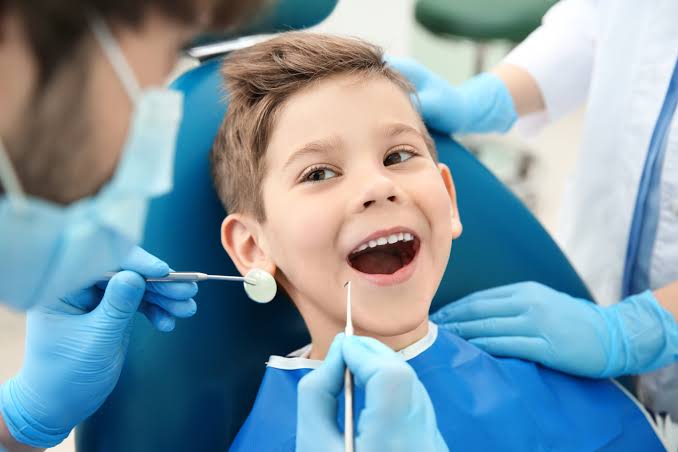
Most parents know that brushing and flossing help prevent cavities. But children’s oral health and overall health are connected in ways that go far beyond the smile. A child’s mouth plays a direct role in how well they eat, sleep, learn, and feel about themselves. Dental problems left untreated don’t just cause toothaches—they can quietly affect a child’s growth, confidence, and day-to-day quality of life. Here’s what every parent needs to know.
Why Oral Health Matters Beyond the Smile
The mouth is the entry point to the body, and what happens there matters from infancy. Healthy teeth and gums help children chew nutritious food, develop speech, and avoid painful infections. When harmful oral bacteria build up, they don’t always stay in the mouth—they can contribute to broader health issues over time. Starting preventive dental care early lays the foundation for lifelong wellness, making those early dental habits far more valuable than most parents realize.
How Poor Oral Health Can Affect a Child’s Overall HealthPain and Infection
Untreated cavities rarely stay small. Over time, they become painful—and a dental infection that spreads can turn a manageable problem into a serious medical concern. Chronic oral discomfort affects a child’s ability to eat comfortably, focus at school, and participate in everyday activities without distraction.
Nutrition Problems
When chewing hurts, children naturally avoid hard or chewy foods. Fruits, vegetables, and proteins get replaced with softer, often less nutritious options. Over time, this shift in diet can affect healthy growth and development during the years children need good nutrition most.
Sleep Disruption
Toothaches have a habit of getting worse at night. A child who can’t sleep well because of dental pain will wake up tired, irritable, and less equipped to handle the demands of a school day.
The Impact of Oral Health on School Performance
Dental pain is one of the most common reasons children miss school. According to the American Academy of Pediatric Dentistry, oral health problems account for millions of lost school hours each year in the United States. Even when children do attend, pain and discomfort make it hard to concentrate, raise their hands, or engage with their classmates. Untreated dental problems have been linked to lower academic performance—a consequence that’s entirely preventable with routine dental care.
Oral Health and Emotional Wellbeing
A child’s smile affects far more than their teeth. Visible dental problems, bad breath, or discomfort when speaking can make children self-conscious, pulling them back from social situations at exactly the age when friendships and peer interactions matter most. Healthy teeth support clear speech development and give children the confidence to participate, laugh, and connect—without holding back.
Healthy Baby Teeth Build Healthy Permanent Teeth
Some parents assume baby teeth don’t need much attention since they’ll fall out anyway. This is a common misconception. Baby teeth hold space in the jaw for permanent teeth to grow in correctly. They also play a critical role in speech development and proper jaw formation. Losing them too early—due to decay or infection—can lead to alignment problems, crowding, and more complex dental treatment down the line.
Daily Habits That Improve Children’s Oral Health and Overall HealthBrush Twice Daily
Use a fluoride toothpaste appropriate for your child’s age, and make sure a parent or caregiver supervises brushing until around age 7 or 8.
Floss Every Day
Flossing removes plaque from between teeth where a toothbrush simply can’t reach. Starting this habit early protects gums and prevents decay in hard-to-see areas.
Eat Tooth-Friendly Foods
Calcium-rich foods like dairy, leafy greens, and almonds strengthen enamel. Fresh fruits and vegetables clean teeth naturally. Water—especially fluoridated water—is always the best choice over sugary drinks.
Visit a Pediatric Dentist Regularly
Routine exams, professional cleanings, fluoride treatments, and early cavity detection are the cornerstones of preventive dental care. Most children benefit from visiting a dentist every six months.
Warning Signs Parents Should Never Ignore
- Persistent tooth pain
- Bleeding or swollen gums
- Persistent bad breath
- White or brown spots on teeth
- Loose teeth outside the normal shedding age
- Difficulty chewing
Any of these signs warrants an early dental evaluation. Catching problems early almost always means simpler, less invasive treatment.
Tips for Parents to Encourage Healthy Oral Habits
- Make brushing fun with music, timers, or a favorite toothbrush
- Brush alongside your child to normalize the routine
- Reward consistency, not perfection
- Limit sugary snacks and drinks between meals
- Schedule dental checkups before problems arise
- Lead by example—your habits shape theirs
A Healthier Mouth Means a Healthier Child
Children’s oral health and overall health are genuinely inseparable. Healthy teeth support the nutrition, sleep, confidence, and focus that children need to thrive. The good news? Most dental problems are preventable. Simple daily habits and regular pediatric dental visits can protect your child’s smile today—and set them up for better health for years to come. Start early, stay consistent, and make dental care a family priority.