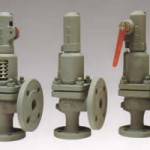
Every pressurised system in a plant relies on one simple device to prevent disaster. When pressure rises beyond safe limits, a safety relief valve opens, releases the excess and then closes again once conditions return to normal. It is a quiet, often forgotten component, and that is exactly what makes it risky.
Because these valves may sit untouched for months or years, nobody knows whether they still work until they are tested. This article explains how safety relief valves protect equipment, what goes wrong when they are left untested and how regular testing keeps plants safe and compliant.
How Safety Relief Valves Protect a Plant
Boilers, steam lines, air receivers, heat exchangers and process vessels all have a maximum allowable working pressure. Under normal conditions, controls keep pressure well below that limit. But controls can fail, valves can be closed by mistake and processes can run away.
When that happens, the relief valve is the final safeguard. It is set to open at a specific pressure and must discharge enough flow to stop pressure rising further. Once the pressure drops, it should reseat cleanly and seal tightly again.
Getting this right depends on three things: the correct valve for the application, the correct set pressure and a valve that is in good working condition. Testing confirms the last two.
What Goes Wrong When Valves Are Left Untested
Valves rarely fail suddenly. Instead, they deteriorate gradually in ways that are hard to see from the outside.
Sticking. Corrosion, scale and dried process residue can bond the disc to the seat. A valve in this condition may not lift at its set pressure, or at all.
Set pressure drift. Springs relax over time, and vibration or tampering can change the adjustment. The valve may then open too early, wasting product and energy, or too late, leaving equipment exposed.
Leakage. Dirt trapped on the seat, or wear from repeated lifting, causes the valve to simmer or leak. In steam service, leaks erode the seat quickly and get worse every week.
Failure to reseat. A valve that lifts but does not close properly keeps venting after the danger has passed. This disrupts operations and can cause further damage to the valve.
None of these faults are obvious during a walk past. Only testing reveals them.
What Regular Testing Involves
Testing is usually done on a calibrated bench. The valve is removed, cleaned and inspected, then pressurised to confirm the point at which it opens and the point at which it reseats. Seat tightness is also checked.
If the valve does not perform correctly, it is repaired. This might involve lapping the seat and disc, replacing the spring or renewing seals. The valve is then retested, sealed and returned with a record of the results.
Many plants schedule testing once a year, timed so that results are ready for the boiler’s statutory examination. Valves in dirty, corrosive or frequently lifting service may need shorter intervals. Testing is also sensible after any lift during a process upset. Combining valve work with planned boiler servicing Singapore shutdowns helps reduce downtime and keeps all the paperwork in one place.
Staying Safe and Compliant
In Singapore, boilers and other registered pressure vessels are subject to periodic statutory examination, and their protective devices form part of that process. A plant with up-to-date test records, clearly tagged valves and a consistent maintenance history will find these examinations far more straightforward.
Good records also reveal patterns. A valve that fails testing every year may be wrongly sized, installed in a poor location or exposed to dirty fluid upstream. Fixing the root cause is often cheaper than repeated repairs. An experienced safety valve supplier can review the application and recommend a valve better suited to the duty.
What to Do Next
Start by listing every relief and safety valve on site, with its tag number, set pressure, location and last test date. Any valve without a recent test should move to the top of the list.
Then build a testing calendar that aligns with planned shutdowns and statutory examinations. Plants that need replacement valves for steam, air or liquid service can compare specifications for a safety relief valve suited to their pressure, temperature and capacity requirements. It also helps to confirm that each replacement discharges to a safe location.
Finally, review the spares held on site. Keeping spare springs, seals and a few standby valves, along with other industrial products in Singapore your plant relies on, means testing does not leave a line out of service. Regular testing turns a forgotten component into a dependable one.