There’s something deeply satisfying about walking outside and picking a handful of herbs for tea or a homemade salve. A medicinal herb garden connects you to centuries of folk wisdom, and it doesn’t take much space or experience to start one.
Many of the most useful medicinal plants are also among the easiest to grow. They tolerate beginner mistakes, thrive in ordinary soil, and often come back year after year.
Here are ten great choices for a first medicinal garden, along with how they’re traditionally used and what to keep in mind.
Before You Start
Most medicinal herbs want at least six hours of sun and soil that drains well. A raised bed or a few large containers is plenty for a beginner.
Remember that natural doesn’t automatically mean safe for everyone. Talk to your doctor before using herbs medicinally, especially if you’re pregnant, breastfeeding, or taking prescription medication.
- Chamomile
German chamomile is a cheerful, daisy-like annual with a sweet, apple-like scent. Its flowers are traditionally brewed into a calming tea for relaxation, sleep, and mild digestive upset.
Sow seeds directly in spring and harvest the flowers when fully open. It often reseeds itself, giving you new plants each year.
- Calendula
Calendula, or pot marigold, produces bright orange and yellow blooms all season long. The flowers are a classic ingredient in skin-soothing oils and salves.
It grows easily from seed and blooms more the more you pick it. Keep harvesting to keep the flowers coming.
- Lemon Balm
Lemon balm is a lemon-scented member of the mint family, traditionally used to ease nervous tension and support restful sleep. It makes a pleasant, mild tea.
It grows vigorously and can spread, so many gardeners keep it in a pot. Cut it back often to encourage fresh, bushy growth.
- Peppermint
Peppermint is a go-to herb for occasional indigestion and a refreshing cup of tea. Its cooling aroma is also popular in homemade balms.
Mint spreads aggressively through underground runners, so always grow it in a container. It tolerates partial shade and needs regular water.
- Yarrow
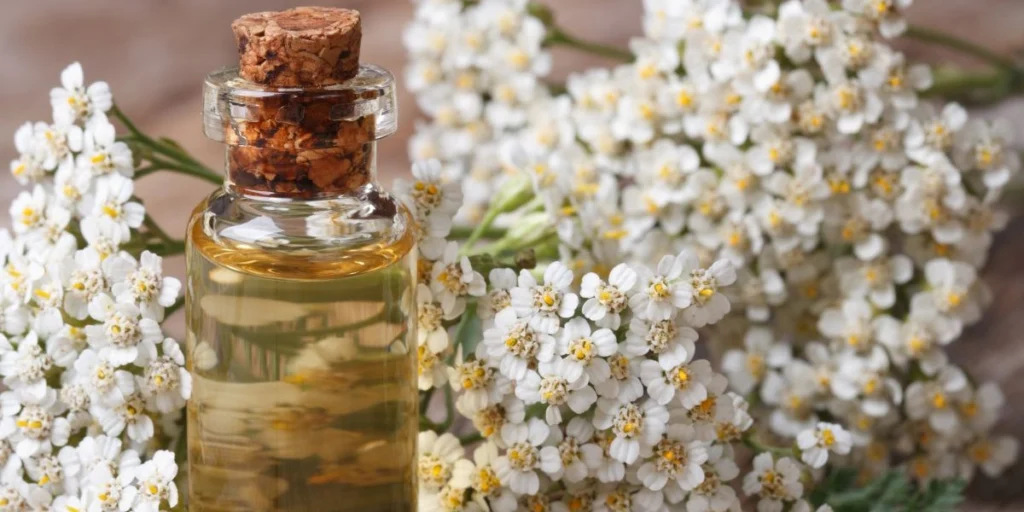
Yarrow is a hardy perennial with feathery, fern-like leaves and flat clusters of tiny white flowers. It has a long folk history as a wound herb, and legend links it to the Greek hero Achilles, who supposedly used it to treat his soldiers’ injuries.
It thrives in full sun and poor soil, tolerates drought, and attracts beneficial insects. If you want to learn how this plant is identified, harvested, and prepared, this guide to yarrow uses covers its history, traditional remedies, and the cautions to know before using it.
Yarrow belongs to the daisy family, so people with ragweed or daisy allergies may react to it. It’s also not recommended during pregnancy and may interact with blood thinners, so check with a health professional first.
- Echinacea
Echinacea, or purple coneflower, is a stunning native perennial that pollinators love. Its roots and flowers are traditionally used to support the immune system during colds.
It’s drought tolerant once established and blooms from summer into fall. Leave the seed heads in winter to feed birds.
- Thyme
Common thyme is both a kitchen staple and a traditional remedy for coughs and sore throats. It’s often used in steam inhalations and honey-based syrups.
Thyme loves sun and sharp drainage and hates soggy roots. It’s perfect for containers or the edge of a sunny bed.
- Sage
Garden sage is a woody perennial traditionally used as a gargle for sore throats and in cooking to aid digestion. Its soft, silvery leaves are beautiful in the garden too.
Give it full sun and avoid overwatering. Prune it lightly in spring to keep it from becoming leggy.
- Lavender
Lavender is loved for its calming scent and is traditionally used in sleep pillows, bath blends, and skin products. Bees adore its purple flower spikes.
It needs full sun and very well-drained soil, and it struggles in heavy clay. Harvest flower stems just as the buds begin to open for the strongest fragrance.
- Holy Basil
Holy basil, also called tulsi, is a revered herb in Ayurvedic tradition, often enjoyed as a daily tea for stress. It has a spicy, clove-like aroma that’s quite different from kitchen basil.
Grow it like regular basil: in warm weather, full sun, and rich soil. Pinch off the flower spikes to keep the leaves coming.
Tips for Harvesting and Using Your Herbs
Harvest leaves in the morning, after the dew dries but before the heat of the day, when their aromatic oils are strongest. Gather flowers when they’re freshly open.
Dry herbs in small bundles or on screens in a warm, dark, airy spot, then store them in airtight jars away from light. Label every jar with the plant name and date.
Start with simple preparations like teas and infused oils. As you gain confidence, you can explore tinctures, salves, and syrups.
Choosing Seeds and Plants
Buy seeds and starter plants from reputable nurseries that list the full botanical name. Common names can be confusing, and you want to be sure you’re growing the right species for medicinal use.
For example, German chamomile and Roman chamomile are different plants, and pot marigold is not the same as the French marigolds sold for bedding. The botanical name removes the guesswork.
If you can, choose organic or untreated seeds. Since you’ll be making teas and remedies from these plants, it’s worth avoiding chemical treatments from the start.
Container Gardening for Small Spaces
You don’t need a big yard to grow medicinal herbs. Most of the plants on this list do well in pots on a patio, balcony, or sunny windowsill.
Use containers with drainage holes and a quality potting mix. Herbs in pots dry out faster than those in the ground, so check them often during hot weather.
Group plants with similar needs together. Mediterranean herbs like thyme, sage, and lavender prefer drier soil, while mint and lemon balm appreciate more water.
Keep a Garden Journal
Write down what you planted, where, and when. Note how each herb grew, when you harvested it, and how you used it.
Over a few seasons, your journal becomes a personal guide tailored to your climate and soil. It’s one of the best tools any herbal gardener can have.
Common Beginner Mistakes
Overwatering is the most common problem with medicinal herbs. Many of them come from dry, rocky regions and will rot if their roots stay wet.
Another mistake is planting too much at once. Start with four or five herbs you’ll actually use, learn them well, and add more each season.
Finally, don’t forget to harvest regularly. Many herbs grow bushier and more productive when you pick them often.
Grow for Your Needs
Think about how your household actually uses herbs before you choose what to plant. A family that drinks a lot of tea might want extra chamomile, mint, and lemon balm, while someone who makes skin care products might focus on calendula and lavender.
Planting with purpose means less waste and more of the herbs you’ll truly use. You can always add new varieties as your interests grow.
Final Thoughts
A beginner’s medicinal garden doesn’t need to be large or complicated. Even a few pots of chamomile, calendula, mint, and yarrow can give you a steady supply of herbs for teas and home remedies.
Start small, learn each plant well, and always respect its cautions. Over time, your garden can become a living medicine cabinet that grows a little richer every year.