A comfortable home depends on more than a reliable heating and cooling system. The way air moves through the property can influence indoor comfort, energy use, odors, humidity, and the overall condition of the home. Chimneys and air ducts are two systems that perform very different jobs, yet both play important roles in ventilation.
For homeowners in Bethesda, keeping these systems in good condition can be especially valuable. Seasonal changes, humidity, pollen, dust, and everyday household activity can all contribute to the accumulation of debris or the deterioration of ventilation components.
Understanding when these systems need attention can help homeowners avoid preventable problems and maintain a healthier indoor environment.
Why Indoor Air Circulation Matters
Air constantly moves through a home. Heating and cooling systems distribute conditioned air through ductwork, while exhaust systems remove air and combustion byproducts from specific areas.
When these pathways become dirty, damaged, or obstructed, airflow can become less effective. The result may be uneven temperatures, excessive dust, unusual odors, or equipment that appears to work harder than it normally should.
Indoor air quality is influenced by many factors, including ventilation, filtration, moisture control, household activities, and outdoor air entering the property. Maintaining the components responsible for moving and exhausting air is one part of a broader home maintenance strategy.
What Can Accumulate Inside Air Ducts?
Air ducts can collect dust and other particles over time. Fibers from clothing, pet hair, pollen, and household debris may enter the HVAC system and settle in different areas of the ductwork.
Not every home requires frequent duct cleaning, and the condition of each system is different. However, certain circumstances may make an evaluation worthwhile.
For example, homeowners who have recently completed major renovations may have construction dust that entered the HVAC system. Homes with pets may also experience greater accumulation of hair and dander. Water intrusion or excessive humidity can create additional concerns within portions of the duct system.
If there is visible debris around registers, unexplained odors, or a noticeable change in airflow, professional evaluation can help determine whether cleaning or another type of service is appropriate.
Your HVAC Filter Still Matters
Air duct maintenance shouldn’t replace basic HVAC care.
The filter is one of the first lines of defense against airborne particles entering the system. A filter that is dirty or clogged can restrict airflow and make the HVAC equipment work harder.
The appropriate replacement schedule depends on the filter type, household conditions, system design, and manufacturer recommendations. Homes with pets, frequent occupants, or higher levels of airborne particles may require more frequent attention.
Homeowners should also make sure supply and return vents aren’t blocked by furniture, curtains, storage items, or other objects. Keeping these openings accessible helps the system distribute and circulate air properly.
Chimneys Have a Different but Equally Important Role
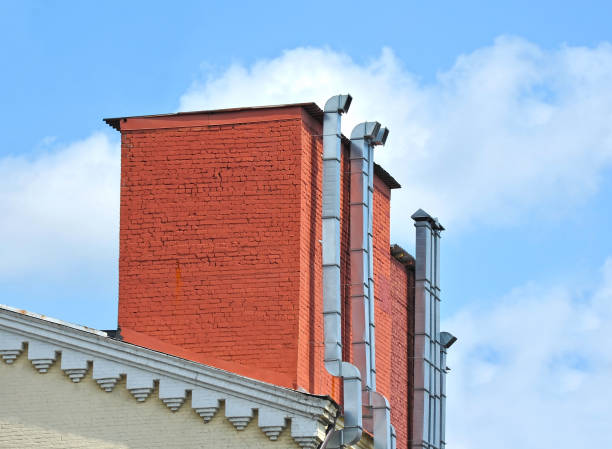
While air ducts distribute conditioned air, chimneys serve as exhaust pathways for fireplaces and certain heating appliances.
A properly functioning chimney helps carry smoke and combustion gases outside the home. When the flue becomes obstructed or heavily coated with soot and creosote, ventilation may be affected.
Wood-burning fireplaces can produce creosote as smoke cools and condenses inside the flue. Because creosote is combustible, significant accumulation should not be ignored.
Chimneys can also experience problems unrelated to deposits. Moisture intrusion, cracked masonry, damaged flashing, deteriorating mortar, and animal nests can all affect the system.
For homeowners researching chimney and air duct service in Bethesda, professional assistance can provide a way to evaluate these important ventilation systems and determine which maintenance services are appropriate.
Bethesda Weather Can Affect Exterior Components
Ventilation systems don’t exist in isolation from the building itself. Exterior components are exposed to weather throughout the year.
Rain can enter a chimney through damaged caps, flashing, crowns, or masonry. During colder periods, water trapped inside porous materials can freeze and expand, contributing to cracks and deterioration.
Air duct systems can also be affected by problems in surrounding areas. Ductwork located in attics, crawl spaces, or other less conditioned portions of a home may be exposed to temperature fluctuations, moisture, and dust.
Insulation around ducts can deteriorate over time, while disconnected or damaged sections can allow conditioned air to escape before it reaches the intended rooms.
Signs That Ventilation Systems Need Attention
Homeowners don’t need to diagnose a problem themselves to recognize that something has changed.
Pay attention to persistent unusual odors, unexplained changes in airflow, excessive dust, rooms that consistently feel warmer or colder than others, or visible deterioration around ventilation components.
For fireplaces, smoke entering the living area, unusual odors, difficulty maintaining a fire, or unexpected sounds may indicate that the chimney needs evaluation.
For air ducts, recurring dust shortly after cleaning, visible debris around vents, or unexplained airflow problems may justify a professional assessment.
These symptoms don’t automatically mean that cleaning is required. A qualified technician can help determine whether the underlying cause is dirt, an obstruction, damaged ductwork, poor insulation, equipment problems, or another issue.
Cleaning Is Not Always the Same as Repair
One important distinction homeowners should understand is the difference between cleaning and repair.
Cleaning removes accumulated dust, soot, creosote, or other debris. It does not automatically correct damaged components.
For example, removing debris from a chimney won’t repair cracked masonry. Similarly, cleaning air ducts won’t fix a disconnected duct section or replace deteriorated insulation.
This is why professional evaluation can be useful when a system has persistent performance problems. Cleaning may be part of the solution, but identifying the underlying cause is equally important.
Maintaining a Cleaner Indoor Environment
Homeowners can take several practical steps to support better ventilation between professional services.
Keep HVAC filters maintained, vacuum around accessible registers, avoid blocking vents, and address water leaks promptly. If a chimney is present, keep combustible materials away from the fireplace and avoid burning materials that aren’t intended for use in the appliance.
Carbon monoxide alarms should also be installed and maintained according to applicable safety recommendations in homes with fuel-burning appliances. These alarms provide an important layer of protection because carbon monoxide cannot be detected through normal human senses.
Regular housekeeping also matters. Dusting, vacuuming, and controlling indoor humidity can reduce the amount of material that eventually enters ventilation systems.
When Professional Service Makes Sense
Professional maintenance can be particularly useful when a homeowner isn’t sure about the condition of a system.
A qualified technician can evaluate accessible components, identify buildup or damage, and explain whether cleaning, repair, inspection, or another service is appropriate.
This can be especially helpful after purchasing an older home, completing major renovations, experiencing water damage, replacing heating equipment, or noticing a significant change in system performance.
Instead of assuming that every ventilation issue requires the same solution, homeowners can benefit from having the system evaluated based on its actual condition.
A Proactive Approach Can Protect Your Home
Chimneys and air ducts may remain hidden for most of the year, but they contribute to important functions within a home. One helps exhaust combustion products, while the other distributes conditioned air throughout living spaces.
Keeping both systems in reasonable condition can support more effective airflow and help identify problems before they become expensive repairs.
For Bethesda homeowners, regular attention to ventilation, moisture control, filtration, and appliance maintenance can contribute to a more comfortable property throughout the changing seasons.
The most effective approach is simple: pay attention to changes, maintain accessible components, address moisture problems promptly, and seek professional evaluation when something doesn’t seem right. Taking care of the systems responsible for moving and exhausting air is an investment in the comfort, efficiency, and long-term condition of the home.