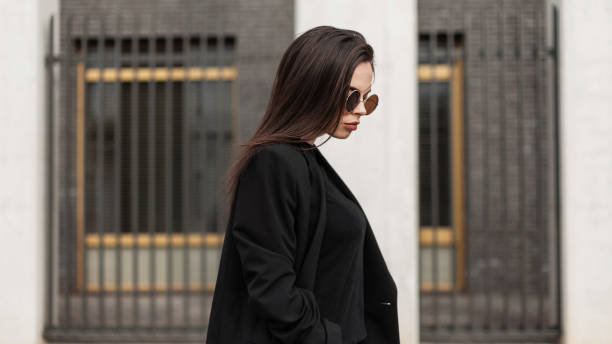
In a world dominated by fast trends, overflowing wardrobes, and constant consumerism, minimalist fashion has emerged as a powerful and refreshing alternative. The philosophy behind minimalist fashion is simple: less is more. It focuses on quality over quantity, timeless designs over fleeting trends, and intentional choices over impulsive shopping. Today, minimalism in fashion is not just a style statement; it has become a lifestyle and a symbol of modern luxury.
Minimalist fashion is rooted in simplicity. It emphasizes clean lines, neutral colors, and well-tailored silhouettes. Instead of loud prints and excessive embellishments, minimalist outfits rely on structure, fabric quality, and subtle detailing. The idea is to create a wardrobe that feels effortless yet elegant. Designers like Coco Chanel revolutionized this approach by introducing simple, functional designs that moved away from overly decorative fashion trends of her time. Her famous belief that “simplicity is the keynote of all true elegance” perfectly captures the essence of minimalist fashion.
Over the years, many influential designers have embraced minimalism. Calvin Klein popularized clean aesthetics and monochrome collections, while Jil Sander became known as the “Queen of Less” for her refined and understated designs. These designers proved that fashion does not need to be loud to be impactful. Instead, it can communicate confidence and sophistication through subtlety.
One of the key reasons minimalist fashion is considered the new luxury is its focus on quality. Luxury is no longer defined solely by logos or high prices. Instead, it is associated with craftsmanship, durability, and thoughtful production. A well-made white shirt, tailored blazer, or perfectly fitted pair of trousers can last for years and never go out of style. This shift reflects a growing awareness among consumers who are choosing fewer but better pieces.
Minimalist fashion also aligns closely with sustainability. The fast fashion industry has contributed significantly to environmental damage due to overproduction and waste. By embracing minimalism, individuals reduce unnecessary purchases and focus on building capsule wardrobes. A capsule wardrobe consists of versatile pieces that can be mixed and matched easily. This approach not only saves money but also reduces environmental impact. Wearing the same high-quality coat for multiple seasons becomes a conscious choice rather than a compromise.
Colors play a vital role in minimalist fashion. Neutral tones such as black, white, beige, grey, and navy dominate minimalist wardrobes. These shades are versatile and timeless. They allow for easy coordination and create a cohesive look. However, minimalism does not mean boring. It is about thoughtful styling and balance. A structured black dress paired with sleek accessories can create a striking impression without appearing overdone.
Another important aspect of minimalist fashion is functionality. Clothing is designed to serve a purpose while maintaining aesthetic appeal. Comfort and practicality are prioritized. This reflects modern lifestyles where people seek clothing that transitions smoothly from work to casual settings. A simple tailored suit can be worn at the office and styled differently for an evening event. Minimalist fashion supports versatility, which adds to its luxurious appeal.
The rise of minimalist fashion is also influenced by cultural shifts. In an era dominated by social media, people are exposed to countless fashion trends every day. This constant exposure can create pressure to keep up. Minimalism offers a sense of calm and clarity in contrast to this chaos. It encourages individuals to define their personal style rather than chasing every new trend. Influential figures like Victoria Beckham and Meghan Markle are often admired for their minimalist and polished fashion choices, which showcase how simplicity can look powerful and refined.
Minimalist fashion also reflects confidence. When someone wears simple clothing without heavy branding or dramatic elements, it shifts attention to their personality rather than just their outfit. The focus moves from the clothes to the individual. This understated elegance often leaves a stronger impression than extravagant fashion statements.
Accessories in minimalist fashion are chosen carefully. Instead of layering multiple bold items, minimalism favors one or two subtle pieces. A classic leather bag, delicate gold jewelry, or a sleek watch can complete an outfit without overwhelming it. The key is balance. Each element is intentional and meaningful.
Minimalism in fashion is not limited to women’s clothing. Men’s fashion has also embraced this concept. Clean-cut shirts, tailored trousers, simple sneakers, and structured outerwear create a refined yet modern look. The appeal lies in its practicality and timeless charm. A minimalist wardrobe simplifies daily decisions and reduces stress, as every piece complements the others.
Another factor that makes minimalist fashion the new luxury is the emotional value attached to clothing. When people invest in fewer items, they tend to care for them more. Each piece has a purpose and story. This mindful relationship with fashion creates satisfaction that goes beyond appearance. It shifts the mindset from consumption to appreciation.
Furthermore, minimalism encourages creativity. With fewer pieces, individuals learn to style their clothes in different ways. A single blazer can be worn over a dress, paired with jeans, or styled with tailored pants. This versatility enhances personal expression while maintaining simplicity.
In conclusion, minimalist fashion represents a modern definition of luxury. It is not about excess, but about refinement. It prioritizes quality, sustainability, functionality, and timeless style. In a fast-paced world filled with noise and constant change, minimalism offers clarity and confidence. “Less is the new luxury” is not just a trend; it is a movement that reflects evolving values. By choosing simplicity, individuals embrace elegance, responsibility, and authenticity. Minimalist fashion proves that true luxury lies not in having more, but in choosing wisely and wearing it with confidence.