Car culture has a habit of finding new homes. It moved from street corners to magazines, from magazines to forums, from forums to video. Its newest home is one most enthusiasts would never think to look at: online roleplay servers, where thousands of players run characters in shared cities and where the vehicle you drive says as much about you as it would in the real world.
It is a scene with its own economy, its own etiquette and its own arguments about taste. And like real car culture, almost all of it is driven by people who care far too much about details nobody else notices.
The garage as a character trait
On a well-run roleplay server, a vehicle is not transport. It is a statement.
A mechanic who drives a beaten-up pickup with mismatched panels is telling you something. So is the character who shows up to a meeting in a pristine executive saloon. Players save in-game money for weeks to buy a specific model, then spend weeks more customising it. When one gets destroyed in a chase, people genuinely feel it.
That emotional weight only exists when the server offers real variety. A city where everyone drives the same three default models flattens everything. Nobody can say anything with a car when all the cars are identical. The difference between a flat server and a living one is often just the breadth of the vehicle list.
Why consistency beats spectacle
The instinct of new server owners is to install the most impressive thing available: hypercars, fantasy builds, anything that photographs well. The result is a city that looks like a dealership showroom rather than a place where people live.
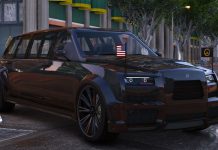
The scene has largely moved past that. The dominant philosophy now is consistency. Vehicles should look like they belong to the same fictional world, with styling that reads as a sports coupe or a work van without borrowing real-world badges and brand names.
There is a practical side to this as well. Unbranded content keeps a community clear of the trademark problems that have shut down more than a few servers. Curated fivem lore friendly cars collections exist precisely because owners want variety without that risk, and because vehicles designed with the same philosophy naturally sit well together on a street.
The test is simple. Park ten of your server’s vehicles in a row. If they look like they came from the same universe, you have done it right.
The packs approach
Adding vehicles one at a time sounds careful and usually produces chaos. Each file comes from a different creator, with different quality standards, different file sizes and different handling behaviour. After fifty of those, the server has no coherent look and no predictable performance profile.
This is why themed collections have become standard. A well-assembled set of fivem car packs gives a city an entire layer of traffic at once: the daily drivers, the work vehicles, the tuners, the few expensive machines that mark status. The vehicles share a quality baseline, which makes both the visual result and the technical result predictable.
That predictability matters more than people expect. One badly optimised vehicle with uncompressed textures can cost more performance than twenty properly built ones, and the symptoms only appear when a crowd gathers.
The motorcycle scene is its own world
Something interesting happens on most servers that run long enough: a motorcycle community forms, and it behaves nothing like the car scene.
Bike culture in roleplay borrows heavily from decades of film and television. Clubs, colours, long rides, fierce internal loyalty. It is dramatic by nature and tends to generate storylines that run for months rather than nights.
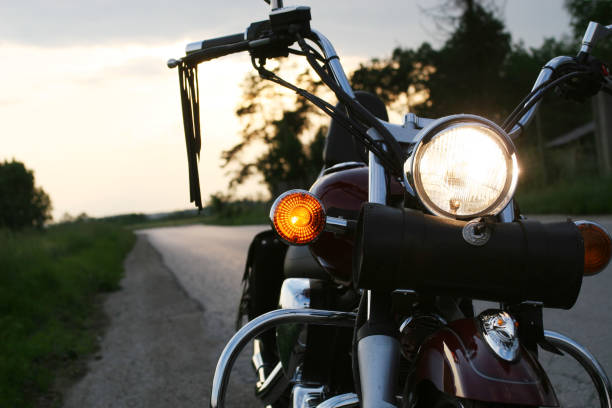
The aesthetic requirements are specific, which is why servers that take this seriously invest in proper fivem motorcycles rather than adding a couple of generic bikes. Long forks, loud exhausts, custom paint and the right stance are what make a convoy rolling through a city look like an event instead of a few players on scooters.
There is also a practical reason motorcycles punch above their weight on a server. They are cheap in the in-game economy, which means new characters can own something expressive early, long before they can afford anything on four wheels.
Where the culture actually happens
Vehicles need destinations. In the real world, car culture lives at the workshop, the meet, the show and the late-night parking lot. Roleplay servers recreate that with custom interiors: tuning garages with working bays, showrooms with proper lighting, private garages where a collection can be displayed.
These spaces are where the social side forms. A weekly car meet at a fixed location becomes a thing people plan their evening around. A tuning shop run by players gives mechanics a profession with actual customers. Without those locations, the cars exist but the culture does not.
The unglamorous part
Everything above depends on a server that runs well. Detailed models are only impressive if forty people can be in the same place without the frame rate collapsing.
Experienced teams treat this as routine maintenance: test every addition on a development build before it goes live, keep file sizes under control, document what was installed and when, remove anything that causes crashes even when it was expensive. Players never compliment a server for running smoothly. They simply keep playing.
A real culture with virtual machines
What makes this scene worth paying attention to is how much of it is driven by creators. 3D artists and texture specialists put serious hours into vehicles built for this specific style, balancing detail against performance so communities can actually use them. Server owners know those names and seek out their work.
The parallels with the real thing are hard to miss. There are purists who only want consistent, lore-accurate builds. There are show-car people chasing the most detailed models available. And there are practical owners who mostly want everything to run properly on a busy Friday night.
For teams putting that kind of city together, specialist stores such as Wmods have made the sourcing side much easier, offering vehicles and locations designed to work together rather than collected at random. The cars are virtual. The culture around them is not.