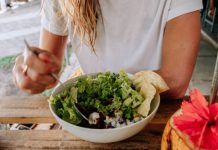
Healthy eating is often misunderstood as bland, boring, and restrictive. Many people imagine plain salads, boiled vegetables, and tasteless meals when they think about a nutritious diet. However, healthy eating does not mean giving up flavor or enjoyment. In fact, when done correctly, it can enhance your appreciation for food, introduce you to new ingredients, and improve your overall relationship with meals. The art of healthy eating lies in balance, creativity, and mindful choices that nourish the body while satisfying the taste buds.
One of the biggest myths about healthy food is that it lacks excitement. The truth is that flavor comes from the right combination of ingredients, herbs, spices, and cooking techniques. Fresh herbs like basil, coriander, mint, and rosemary can instantly elevate a dish. Spices such as turmeric, cumin, paprika, black pepper, and cinnamon add depth and aroma without adding extra calories. Instead of relying heavily on salt, sugar, or processed sauces, experimenting with natural seasonings can transform simple ingredients into delicious meals.
Healthy eating begins with choosing whole, unprocessed foods. Fruits, vegetables, whole grains, lean proteins, nuts, and seeds form the foundation of a balanced diet. These foods are naturally rich in vitamins, minerals, fiber, and antioxidants. For example, colorful vegetables like spinach, carrots, bell peppers, and broccoli not only look appealing on the plate but also provide essential nutrients. When prepared creatively—such as roasting vegetables with olive oil and herbs—they become flavorful and satisfying.
Cooking methods also play a crucial role in maintaining both health and taste. Instead of deep-frying, consider grilling, baking, steaming, or sautéing with minimal oil. Grilling adds a smoky flavor, while roasting enhances natural sweetness. Steaming helps retain nutrients and texture, especially in vegetables. Using healthy fats like olive oil, mustard oil, or avocado in moderation can add richness without compromising nutrition. The key is not to eliminate fats entirely but to choose the right types and use them wisely.
Another important aspect of healthy eating is portion control. You do not need to completely eliminate your favorite foods to maintain a nutritious diet. Instead, enjoy them in moderation. For instance, if you love desserts, opt for smaller portions or healthier alternatives made with natural sweeteners like honey or dates. Dark chocolate with a high cocoa content can satisfy sweet cravings while offering antioxidants. Balance allows you to enjoy food without guilt or overindulgence.
Protein is essential for maintaining muscle, energy, and overall health. Including lean sources such as lentils, beans, chickpeas, tofu, eggs, fish, or chicken can make meals more filling and flavorful. Combining plant-based proteins with spices and herbs can create delicious dishes. For example, a bowl of spiced chickpea curry or grilled paneer with vegetables offers both taste and nutrition. When meals are balanced with protein, fiber, and healthy fats, they keep you satisfied for longer and reduce unhealthy snacking.
Healthy eating is also about mindful eating. In today’s fast-paced world, many people eat quickly or while distracted by screens. This often leads to overeating and less enjoyment of food. Taking time to sit down, chew slowly, and truly taste each bite enhances satisfaction. When you pay attention to flavors, textures, and aromas, even simple meals feel more enjoyable. Mindfulness helps you recognize hunger and fullness cues, promoting better portion control and digestion.
Hydration is another overlooked part of a healthy lifestyle. Drinking enough water supports digestion, metabolism, and overall well-being. Sometimes, people confuse thirst with hunger and end up overeating. Adding slices of lemon, cucumber, or mint to water can make it refreshing and flavorful. Herbal teas and fresh fruit-infused drinks are healthier alternatives to sugary beverages and sodas.
Planning meals in advance can make healthy eating easier and more sustainable. When you prepare meals at home, you have control over ingredients and portion sizes. Simple meal prepping, such as chopping vegetables in advance or cooking grains in bulk, saves time and reduces the temptation of ordering unhealthy fast food. Having healthy snacks like fruits, nuts, yogurt, or roasted seeds readily available helps you make better choices throughout the day.
It is also important to embrace variety in your diet. Eating a wide range of foods ensures you receive different nutrients and prevents boredom. Exploring traditional cuisines from different cultures can introduce you to nutritious and flavorful dishes. For instance, Mediterranean meals often include olive oil, fresh vegetables, whole grains, and legumes. Many Asian dishes use ginger, garlic, and spices that boost both taste and health benefits. Trying new recipes keeps healthy eating exciting and sustainable.
Lastly, developing a positive mindset toward food is essential. Instead of labeling foods as “good” or “bad,” focus on overall balance and nourishment. Occasional treats are part of a healthy lifestyle. What matters most is consistency and making mindful choices most of the time. When you shift your perspective from restriction to nourishment, healthy eating becomes enjoyable rather than stressful.
In conclusion, healthy eating does not require sacrificing flavor. By choosing fresh ingredients, experimenting with herbs and spices, using healthy cooking methods, practicing portion control, and embracing variety, you can create meals that are both nutritious and delicious. The art of healthy eating is about balance, creativity, and mindfulness. When approached with the right mindset, it becomes a sustainable lifestyle that supports both physical health and culinary enjoyment. Healthy food can be vibrant, flavorful, and deeply satisfying—proving that nutrition and taste can go hand in hand.