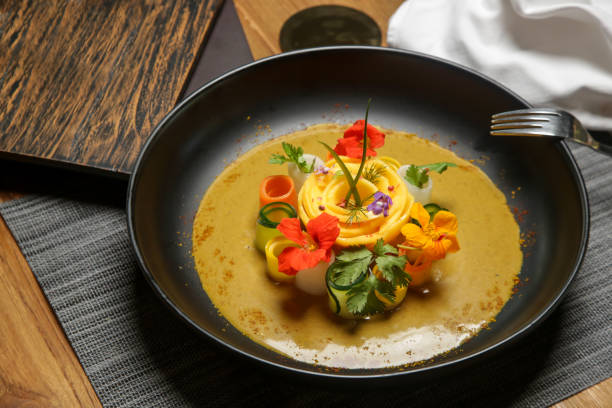
In today’s interconnected world, food has become one of the most powerful ways cultures communicate with each other. Modern cuisine is no longer limited by geography. Thanks to globalization, travel, social media, and migration, flavors from different corners of the world are blending in creative and exciting ways. Chefs are experimenting with spices, cooking techniques, and ingredients that were once considered exotic. As a result, global flavors are redefining modern cuisine and transforming the way we experience food.
One of the most influential global cuisines shaping modern dining is Asian cuisine. Ingredients like soy sauce, miso, sesame oil, and kimchi have become common in kitchens around the world. Japanese dishes such as sushi and ramen are now mainstream in many countries. Korean flavors, especially gochujang (fermented chili paste), are widely used in fusion recipes, from burgers to pasta sauces. Thai cuisine’s balance of sweet, sour, salty, and spicy has also inspired chefs to create bold, layered flavors in contemporary dishes. The popularity of plant-based eating has further boosted Asian cuisine, as many traditional dishes naturally include vegetables, tofu, and rice.
Mexican cuisine has also made a significant impact on modern cooking. Once limited to tacos and burritos in many parts of the world, Mexican food is now recognized for its depth and diversity. Authentic ingredients like chipotle, mole sauce, and fresh corn tortillas are increasingly appreciated. The use of smoky chilies, fresh herbs like cilantro, and vibrant salsas has inspired chefs to create colorful, flavor-packed dishes. Street food culture from Mexico has influenced fast-casual dining concepts, where high-quality ingredients meet quick service.
Middle Eastern flavors are another powerful force in redefining modern cuisine. Ingredients such as tahini, sumac, pomegranate molasses, and za’atar have found their way into global kitchens. Dishes like hummus, falafel, and shawarma have become popular worldwide. The region’s emphasis on spices and fresh herbs has inspired chefs to rethink how they season their food. The use of grains like bulgur and freekeh aligns well with current health trends, as consumers look for nutritious and wholesome meals.
Mediterranean cuisine continues to shape global food trends as well. Known for its emphasis on olive oil, fresh vegetables, seafood, and herbs, Mediterranean cooking is often associated with healthy eating. The Mediterranean diet has gained international attention for its health benefits, influencing modern restaurant menus and home cooking. Ingredients like feta cheese, olives, sun-dried tomatoes, and fresh basil are now staples in many households. The simplicity of Mediterranean cooking—allowing fresh ingredients to shine—has inspired chefs to focus on quality over complexity.
African cuisine is also gaining global recognition. For many years, African flavors were underrepresented in international food scenes. Today, chefs are showcasing ingredients like harissa, berbere spice, and cassava. Ethiopian injera, Moroccan tagines, and West African peanut stews are gaining popularity. African cuisine’s rich use of spices and slow-cooking techniques is influencing contemporary chefs to experiment with new flavor profiles and textures.
Fusion cuisine is perhaps the clearest example of how global flavors are redefining modern food. Fusion dishes combine elements from different culinary traditions to create something entirely new. For example, sushi burritos blend Japanese and Mexican influences. Korean tacos mix bold Korean spices with the format of Mexican street food. Indian-inspired pizzas and Thai-flavored pasta dishes reflect the creativity of modern chefs who are not afraid to cross cultural boundaries. While fusion cuisine can sometimes be controversial, when done respectfully and thoughtfully, it represents cultural exchange at its best.
The rise of social media has accelerated the spread of global flavors. Platforms like Instagram and YouTube allow food trends to travel instantly across borders. A viral dish in one country can become popular worldwide within days. Food bloggers and influencers introduce audiences to unfamiliar ingredients and recipes, encouraging experimentation at home. This digital exposure has made consumers more adventurous and open to trying new tastes.
Another factor redefining modern cuisine is the growing demand for authenticity. Consumers today are more curious about the origins of their food. They want to understand the cultural background behind dishes and appreciate traditional cooking methods. As a result, chefs are investing time in learning from native cooks and preserving authentic flavors while presenting them in modern ways. This balance between tradition and innovation is shaping the future of food.
Health and sustainability trends also play a role in the popularity of global flavors. Many traditional cuisines emphasize plant-based ingredients, whole grains, and natural spices. Indian cuisine, for example, offers a variety of vegetarian dishes rich in lentils and vegetables. Southeast Asian cuisine often incorporates fresh herbs and light cooking methods. These approaches align with the modern focus on wellness and environmentally friendly eating.
Global migration has further contributed to culinary evolution. Immigrant communities bring their food traditions to new countries, opening restaurants and grocery stores that introduce authentic ingredients to wider audiences. Over time, these flavors become integrated into local food culture. What was once considered foreign gradually becomes familiar and beloved.
In conclusion, global flavors are redefining modern cuisine by breaking down cultural barriers and encouraging creativity. Asian spices, Mexican street food, Middle Eastern herbs, Mediterranean freshness, and African seasonings are all shaping how we cook and eat today. Fusion cuisine, social media influence, and a growing appreciation for authenticity and health have accelerated this transformation. Modern cuisine is no longer confined to one region or tradition. Instead, it is a dynamic and evolving blend of cultures, reflecting the diversity and interconnectedness of our world. As we continue to explore and embrace global flavors, the future of food promises to be even more exciting, inclusive, and innovative.