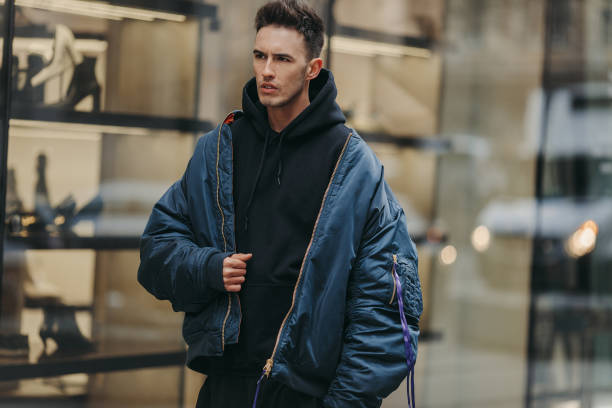
Streetwear, once considered a niche fashion movement rooted in underground culture, has transformed into one of the most powerful forces in the global fashion industry. What began as a style statement among skaters, hip-hop artists, and youth subcultures has now taken over luxury runways, social media feeds, and retail markets worldwide. Today, streetwear is not just clothing—it is a cultural identity, a symbol of individuality, and a billion-dollar industry. But how did this transformation happen? The journey of streetwear from the streets to the spotlight is both fascinating and influential.
Streetwear first emerged in the late 1970s and early 1980s in cities like New York and Los Angeles. It was heavily influenced by skateboarding culture, hip-hop music, graffiti art, and surf style. Brands like Stüssy played a crucial role in shaping early street fashion. Founded by Shawn Stussy, the brand started by printing his signature on T-shirts and selling them locally. The raw, rebellious aesthetic resonated with young people who wanted something different from mainstream fashion. Streetwear became a reflection of youth identity—bold, relaxed, and expressive.
At the same time, hip-hop culture was rising rapidly, especially in cities like New York. Artists and rappers began using fashion as a form of self-expression. Baggy jeans, oversized hoodies, sneakers, and caps became symbolic of urban culture. Brands such as Supreme, founded in 1994, blended skate culture with exclusivity. Supreme’s limited releases and “drop” model created hype and demand. People lined up outside stores for hours just to get their hands on a single item. This scarcity marketing strategy made streetwear feel rare and valuable, turning it into a lifestyle rather than just apparel.
Sneakers played a huge role in streetwear’s growth. The launch of iconic shoes like the Air Jordan 1 by Nike revolutionized sneaker culture. When Michael Jordan wore these sneakers on the basketball court, they became a symbol of performance, status, and style. Sneakers were no longer just sports gear; they became collectibles. Limited-edition collaborations and reselling markets boosted the global sneaker economy, further strengthening streetwear’s influence.
The 2000s marked a turning point for streetwear. The rise of the internet and social media platforms allowed trends to spread faster than ever before. Online forums, blogs, and later Instagram gave brands direct access to their audience. Influencers and celebrities began endorsing streetwear, pushing it into mainstream fashion. When luxury fashion houses started collaborating with streetwear brands, the boundaries between high fashion and street culture blurred. A major milestone was the collaboration between Louis Vuitton and Supreme, which signaled that streetwear had officially entered the luxury world.
Music artists also played a significant role in popularizing streetwear globally. Rappers like Kanye West influenced fashion trends with their personal style and brand ventures. Kanye’s Yeezy collaboration with Adidas became one of the most successful sneaker lines in history. The fusion of music, fashion, and celebrity culture made streetwear aspirational. Fans wanted to dress like their favorite artists, and brands capitalized on this demand.
Another reason for streetwear’s global expansion is its emphasis on authenticity and storytelling. Unlike traditional luxury fashion, which often focused on heritage and exclusivity, streetwear brands connect deeply with youth culture. They represent rebellion, creativity, and social awareness. Many streetwear labels speak about issues such as racial identity, community empowerment, and individuality. This emotional connection makes streetwear more than just clothing—it becomes a voice for a generation.
Globalization also contributed significantly to the spread of streetwear. Fashion capitals like Tokyo, London, and Paris embraced and adapted street style to their local cultures. In Japan, designers blended American streetwear with unique Japanese aesthetics, creating a new wave of fashion innovation. Meanwhile, collaborations between international brands strengthened cross-cultural influence. Streetwear became a global language understood by youth from different backgrounds.
The resale market further amplified streetwear’s popularity. Platforms like StockX allowed buyers and sellers to trade limited-edition sneakers and apparel at high prices. This turned streetwear into an investment opportunity. Rare pieces gained value over time, similar to art or collectibles. The concept of “hype” became central—limited supply combined with high demand created excitement and exclusivity.
Streetwear’s rise also reflects changing consumer behavior. Modern consumers, especially Millennials and Gen Z, prioritize comfort and individuality. Traditional formal wear has become less dominant, especially with the rise of remote work and casual workplaces. Hoodies, sneakers, cargo pants, and graphic tees have become everyday essentials. Streetwear fits perfectly into this shift toward relaxed yet stylish clothing.
Today, streetwear continues to evolve. Luxury brands regularly collaborate with streetwear designers, and street aesthetics dominate fashion weeks around the world. Social media trends, digital fashion, and even virtual sneakers in the metaverse are shaping the future of street style. The movement that started on skateboards and basketball courts now influences global runways and billion-dollar industries.
In conclusion, streetwear became a global trend through a combination of cultural influence, celebrity endorsement, strategic marketing, and social media power. From the early days of Stüssy and skate culture to high-profile collaborations with luxury brands, streetwear has continuously reinvented itself. It represents freedom, creativity, and identity—values that resonate strongly with today’s youth. What once belonged to the streets now defines global fashion, proving that authentic cultural movements have the power to shape the world.