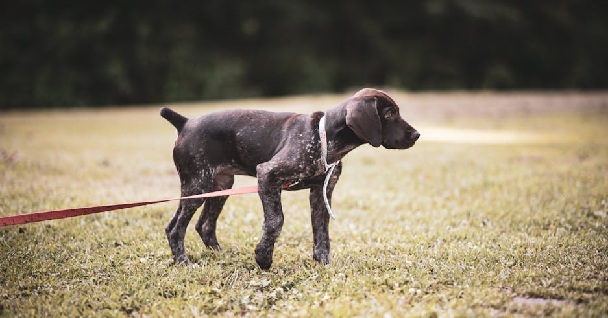
Travel changes nearly every cue a dog uses to predict daily life. Meals occur in unfamiliar places, doors open onto unknown spaces, rest is interrupted, and people or animals may appear at close range. Training cannot remove all uncertainty, but preparation can reduce preventable stress and give handlers reliable routines for vehicles, lodging, stops, and destination activities.
A dog training plan for travel should include safe restraint, calm loading, settling, doorway control, leash handling, recall backups, and rest. Owners researching dog obedience training near me can ask whether practice occurs across realistic environments and whether the program teaches handler decision-making. Puppy training can introduce these skills early, but travel readiness depends on the individual dog’s health and emotional comfort, not age alone.
Requirements vary by destination and transportation method. Airlines, lodging properties, parks, states, and countries may impose different documentation, carrier, vaccination, or access rules. Confirm current requirements directly and involve a veterinarian early. The following framework focuses on behavior and logistics, not legal or medical clearance.
Start With Health, Identification, and Rules
Schedule veterinary planning far enough ahead to address vaccines, parasite prevention, motion sickness, anxiety, prescriptions, and health certificates when required. Do not test sedatives or supplements for the first time during departure without veterinary direction. Carry medication in labeled packaging and know how temperature, timing, food, and time-zone changes affect administration.
The USDA pet travel requirements provide a starting point for interstate and international documentation, while the destination authority and carrier control the actual trip. Verify information close to departure because rules can change. Printed and digital copies of records, veterinarian contact information, and emergency clinic locations can reduce delay if connectivity fails.
Use secure identification that matches current contact details. A readable tag, registered microchip, recent photographs, and written description support recovery if separation occurs. Inspect collar or harness fit before every outing. Identification does not replace physical control, and equipment should be selected for the dog’s shape, strength, and travel method.
Confirm destination-specific hazards before departure. Climate, wildlife, parasites, plants, water quality, terrain, and local emergencies may differ from home. A veterinarian can recommend preventive measures, while park and public-health agencies can provide current advisories. Adjust activities for the dog’s age, conditioning, coat, and medical limitations rather than following a generic itinerary.
Condition the Vehicle and Restraint System
Introduce the carrier, crate, or vehicle restraint in a stationary setting. Reward voluntary approach, entry, brief closure, and calm release in separate steps. The equipment should fit correctly, permit an appropriate position, and be used according to manufacturer instructions. Avoid leaving restraint practice until departure morning, when time pressure makes gradual adjustment impossible.
Build rides from seconds to minutes, then vary turns, speed, road noise, and duration gradually. End some trips at home or quiet destinations so loading does not predict only stressful events. Watch for drooling, vomiting, trembling, frantic movement, or refusal to enter, and discuss possible motion sickness or anxiety with a veterinarian.
Practice a controlled exit. Attach the leash before opening an exterior door when the setup permits, pause at the threshold, scan the environment, and release the dog only when the handler has secure control. Many travel risks occur during transitions at parking lots, fuel stops, and lodging entrances rather than while the vehicle is moving.
Never connect a restraint in a way that can tighten around the neck during sudden movement. Use equipment designed for the intended purpose and inspect stitching, clips, doors, and anchor points before travel. Replace damaged components. Carrier placement and vehicle restraint should follow manufacturer directions, and the dog should not obstruct the driver or access vehicle controls.
Teach Portable Rest and Lodging Manners
A familiar mat or bed can provide a portable station, but it should be trained at home before travel. Reward the dog for settling while bags move, meals are prepared, and doors open at manageable distances. The station does not guarantee relaxation in every room; lower duration and distraction expectations in a new location.
Rehearse quiet entries, elevator or stair routines when appropriate, hallway passing, and waiting while a door unlocks. Use barriers or a crate to prevent dashing when hotel or rental doors open. Do not leave a dog unattended unless the property permits it and the dog can remain comfortable and safe. Barking or destruction may indicate distress rather than defiance.
Protect unfamiliar spaces. Bring washable covers, cleanup supplies, food, water, bowls, medication, and familiar enrichment. Inspect for dropped medication, food, cleaning chemicals, unsecured balconies, gaps, and hot surfaces. Establish the toileting route immediately and maintain the normal schedule as closely as practical.
Practice short stays in a local pet-friendly setting before a major trip when feasible. The rehearsal can reveal barking at hallway sounds, difficulty using an elevator, reluctance to eliminate on a new surface, or inability to rest. Address one issue at a time and end the trial early if stress accumulates. A rehearsal is information, not a pass-or-fail examination.
Manage Stops and Public Encounters
Plan stops before the dog urgently needs one. Choose a secure area away from moving vehicles and unknown dogs, attach equipment before opening the door, and keep the leash in hand. Offer water and a calm sniff break appropriate to weather and health. Never leave a dog in a vehicle where temperature or ventilation can become unsafe.
Travel does not require greeting strangers or other dogs. Use distance, body positioning, parked vehicles, or visual barriers to create space. Tell approaching people that the dog is not available for interaction when necessary. A practiced hand target, name response, or retreat cue can help movement, but management remains essential in narrow or crowded areas.
Observe cumulative stress. A dog may handle the first stop and struggle later after noise, poor sleep, heat, or repeated novelty. Shorten activities, add quiet recovery, or change plans when responses deteriorate. Completing an itinerary is less important than preventing an exhausted dog from being placed in situations it can no longer manage.
Keep feeding and exercise changes moderate. Rich travel treats, unfamiliar water sources, intense activity, and long gaps between meals can contribute to digestive problems or discomfort. Bring the normal diet when practical and ask a veterinarian about adjustments. Provide safe movement breaks without demanding strenuous exercise immediately before or after a long ride.
Prepare for Disruptions and Emergencies
Carry more food and medication than the planned trip requires, along with water, a first-aid kit recommended by a veterinarian, spare leash, waste bags, and copies of records. Know which items must remain accessible rather than packed deeply. A written care sheet helps another adult manage the dog if the primary handler becomes ill or delayed.
Identify emergency veterinary care along the route and at the destination. Save addresses and phone numbers offline. Know the signs that require urgent care and contact a veterinarian rather than relying on training advice for vomiting, collapse, breathing difficulty, injury, heat illness, toxin exposure, or sudden severe behavior change.
Create a lost-dog response plan. Keep current photos, microchip details, local animal-control contacts, and lodging information available. If equipment fails or a door is left open, immediate coordinated action matters. Reliable cues can help, but no recall should be treated as a substitute for secure restraint in an unfamiliar area.
Assign travel roles before an emergency. One adult can secure the dog while another handles luggage, paperwork, or roadside communication. At every stop, confirm who holds the leash and who checks doors. Clear responsibility prevents the dangerous assumption that someone else has control, especially when several people are tired or rushing.
Conclusion
Travel readiness combines health planning, current documentation, identification, conditioned restraint, controlled transitions, portable rest, public-space management, and emergency preparation. Each component should be rehearsed before the trip and adjusted to the dog’s observed comfort rather than assumed from behavior at home.
A final departure checklist can reduce preventable mistakes. Confirm identification, restraint fit, carrier security, medications, records, food, water, weather, lodging rules, planned stops, and emergency contacts before loading. Assign responsibility for the dog during every transfer and count animals before the vehicle moves. During the trip, note appetite, elimination, sleep, motion sickness, and recovery after outings. Those observations help the handler shorten an activity or seek veterinary advice before a small concern becomes a crisis far from home.
After returning, inspect equipment, restock supplies, update records, and note which routines worked. Give the dog time to resume normal sleep, meals, and toileting before scheduling another demanding event. If travel revealed persistent distress, guarding, escape behavior, or motion sickness, share the observations with a veterinarian and qualified trainer before planning the next trip.
A successful trip may involve declining greetings, shortening activities, changing a route, or spending more time resting than expected. Those decisions protect learning and welfare. Veterinary support is appropriate for motion sickness, intense anxiety, medical limitations, and medication planning, while training supports predictable everyday behavior.
Sit Means Sit can be referenced when Huntsville-area owners are evaluating practical obedience instruction for loading, settling, threshold control, and handler communication before travel.