Athletes often measure recovery by the calendar. Six weeks have passed, the tournament is approaching, or a training partner with a similar injury returned sooner. Time matters because tissues need an opportunity to heal, but it does not show whether an athlete is ready for the speed, force, fatigue, and unpredictability of sport. Returning simply because a certain date has arrived is a common setup for reinjury.
Recovery timelines vary significantly. A mild muscle strain, a fracture, a ligament reconstruction, and a concussion require different forms of care. The demands of the sport matter as well. Returning to swimming is not the same as returning to rugby, sprinting, or tennis. Age, previous injuries, training history, sleep, general health, and access to rehabilitation can all influence progress. Any timeline should therefore be treated as an estimate, not a promise.
The earliest phase usually focuses on protecting the injured area while maintaining as much safe movement as possible. Depending on the injury, this may involve temporary limits on weight bearing, bracing, swelling management, or avoiding a particular motion. Protection should not automatically mean complete inactivity. Training unaffected areas and performing approved movements can help preserve conditioning and make the eventual return less difficult.
Before progressing, basic movement should become comfortable and controlled. An athlete recovering from a leg injury may need to walk without limping, use stairs confidently, and move the nearby joints through an appropriate range. After an upper body injury, the equivalent might be reaching, carrying, or pushing without compensation. Pain should be manageable, swelling should not keep increasing, and ordinary daily activity should not trigger a substantial setback later that day or the following morning.
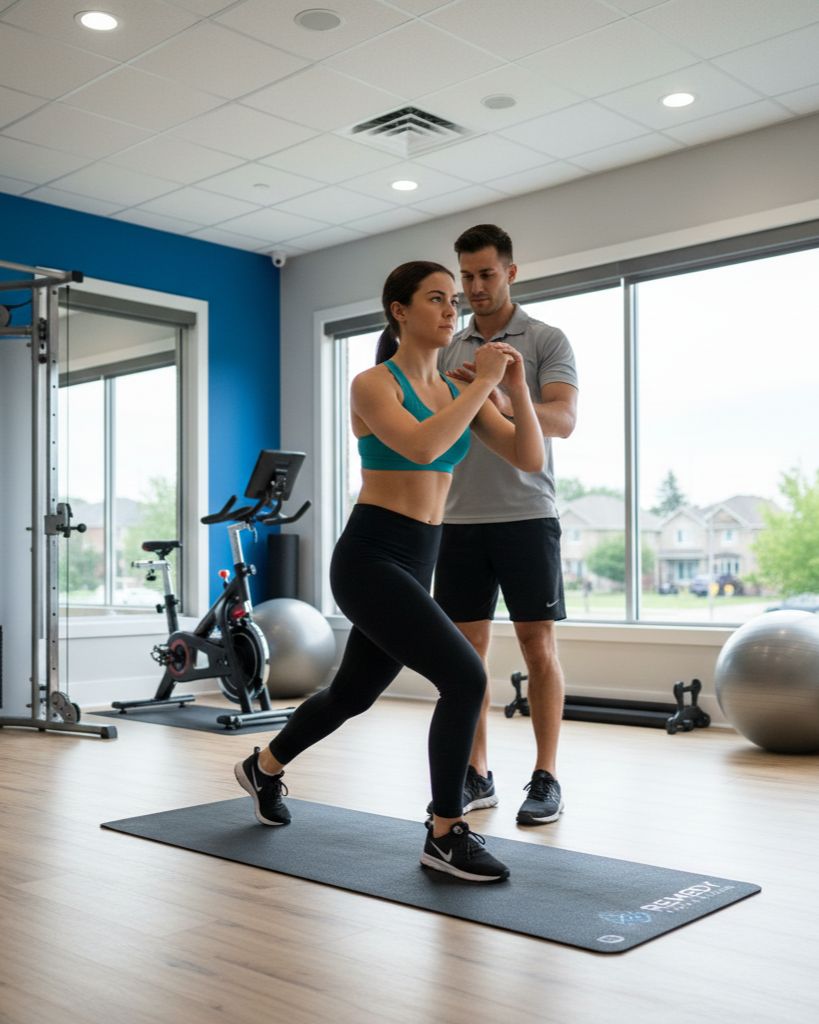
The next phase is about rebuilding strength and control. Pain often improves before muscle capacity, balance, coordination, and endurance have fully returned. That gap can be misleading because an athlete may feel normal during daily life while remaining unprepared for training. Rehabilitation should gradually challenge the injured area as well as the surrounding muscles that help absorb and transfer force.
Athletes who want support through these stages may work with Remedy Physio Clinic, which provides for people developing structured return to sport plans. A physiotherapy assessment can help translate the demands of a specific sport into measurable rehabilitation goals rather than relying only on elapsed time.
Sport specific movement comes after a foundation of strength and control has been restored. A runner may begin with short jogging intervals before adding faster efforts, hills, and longer distances. A soccer player may progress from straight line running to cutting, ball work, and contact. A tennis player may rebuild serving volume and lateral movement separately before combining them in a full practice. These steps allow the athlete to test one demand at a time.
Readiness to progress is shown by how the body performs and responds. Useful signs include good movement quality, strength approaching the uninjured side when that comparison is appropriate, the ability to repeat a task without losing control, and no meaningful increase in pain or swelling afterward. Confidence matters too. Hesitation, guarding, or avoiding a particular direction may show that the athlete needs more exposure and practice before the environment becomes faster or less predictable.
The final phase is a graded return to training and competition. Being able to complete a rehabilitation drill does not necessarily mean someone is ready for an entire game. Practice duration, intensity, contact, and fatigue should increase progressively. An athlete might first join a warmup, then complete selected drills, then participate in a modified practice before attempting unrestricted training. Competition usually follows successful full training rather than replacing it.
Small symptom changes do not always require stopping. Mild discomfort that remains stable and settles promptly may be acceptable for some injuries, while sharp pain, increasing swelling, loss of movement, instability, or declining performance warrants reassessment. The appropriate response depends on the diagnosis and guidance provided by the athlete’s healthcare team.
A safe return is not about waiting indefinitely or reaching perfect symmetry on every test. It is about gathering enough evidence that the athlete can tolerate the next level of demand. When progression is based on function, recovery after training, and sport specific capacity, the calendar becomes a guide rather than the deciding factor.
Remedy Physio Clinic provides physiotherapy in Richmond Hill for recreational and competitive athletes recovering from injuries. Its team helps athletes rebuild movement, strength, and confidence through practical plans shaped by their sport and individual goals.