
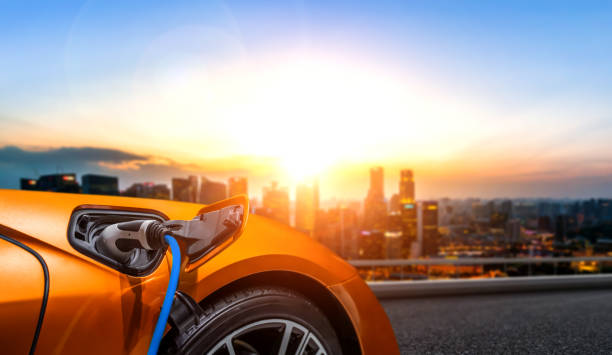
In recent years, electric vehicles (EVs) have moved from being a futuristic concept to a common sight on city roads. Modern cities around the world are embracing electric mobility as a practical solution to environmental challenges, rising fuel costs, and urban congestion. From compact electric scooters to advanced electric cars, the transformation is clearly visible. The rise of electric vehicles in modern cities represents not just a technological shift, but a social and environmental revolution.
One of the primary reasons behind the growing popularity of EVs is environmental awareness. Traditional vehicles powered by petrol and diesel contribute significantly to air pollution and greenhouse gas emissions. In densely populated cities, this pollution leads to smog, respiratory problems, and climate-related issues. Electric vehicles, on the other hand, produce zero tailpipe emissions. Governments and environmental organizations highlight the importance of reducing carbon footprints, and EVs play a crucial role in achieving this goal. Global initiatives such as the Paris Climate Agreement have encouraged countries to promote cleaner transportation options.
Many cities are actively supporting the transition to electric mobility. For example, cities like Oslo have become global leaders in EV adoption due to strong government incentives and infrastructure support. In Asia, Shenzhen has converted its entire public bus fleet to electric, demonstrating how large-scale implementation is possible. These examples show that with proper planning and commitment, electric vehicles can significantly transform urban transportation systems.
Technological advancements have also accelerated the growth of electric vehicles. Modern EVs offer improved battery life, faster charging times, and longer driving ranges compared to earlier models. Companies like Tesla have played a major role in making electric cars more attractive and high-performing. Other automobile manufacturers such as Tata Motors and BYD are investing heavily in electric technology, making EVs more affordable and accessible to middle-class consumers. As competition increases, prices continue to decrease, encouraging more buyers to switch from traditional vehicles to electric alternatives.
Infrastructure development is another key factor driving the rise of EVs in cities. Charging stations are being installed in shopping malls, residential complexes, office buildings, and public parking areas. Many governments offer subsidies for setting up home charging systems. Fast-charging technology now allows vehicles to charge up to 80% in less than an hour, making EVs more convenient for daily commuters. Smart city initiatives are integrating EV charging networks with renewable energy sources like solar and wind power, further reducing environmental impact.
Economic benefits also contribute to the increasing demand for electric vehicles. Although the initial cost of EVs may be slightly higher than traditional vehicles, their long-term operating costs are significantly lower. Electricity is generally cheaper than petrol or diesel, and EVs have fewer moving parts, which reduces maintenance expenses. Urban drivers, especially those who travel short distances daily, find EVs to be cost-effective over time. Additionally, governments provide tax benefits, registration fee reductions, and purchase incentives to promote EV adoption.
Public transportation systems in modern cities are also shifting towards electrification. Electric buses, taxis, and ride-sharing vehicles are becoming more common. Ride-hailing companies are partnering with EV manufacturers to create sustainable urban mobility solutions. This shift not only reduces pollution but also lowers noise levels, making cities quieter and more comfortable for residents.
Despite the rapid growth, challenges remain. One of the major concerns is battery production and disposal. Lithium-ion batteries require raw materials such as lithium and cobalt, whose mining can have environmental and social impacts. However, researchers are working on developing alternative battery technologies and improving recycling methods. Another challenge is the uneven distribution of charging infrastructure, especially in developing countries where urban planning may not fully support EV integration yet.
In countries like India, electric mobility is gaining strong momentum. Government initiatives like the Faster Adoption and Manufacturing of Electric Vehicles (FAME) scheme aim to encourage the production and purchase of EVs. Major cities are promoting electric buses and two-wheelers to reduce traffic pollution. As awareness increases and infrastructure improves, EV adoption is expected to rise significantly in the coming years.
Consumer attitudes are also changing. Today’s urban population is more environmentally conscious and technologically aware. Young professionals and students prefer sustainable options and are willing to adopt new technologies. Social media and digital platforms have also played a role in spreading awareness about climate change and green transportation.
Looking ahead, the future of electric vehicles in modern cities appears promising. Innovations such as wireless charging, battery swapping stations, and autonomous electric cars are likely to reshape urban mobility further. Integration with renewable energy and smart grids will create a more sustainable transportation ecosystem. As cities continue to grow, electric vehicles will become a central part of urban planning and sustainable development strategies.
In conclusion, the rise of electric vehicles in modern cities is driven by environmental concerns, technological advancements, economic benefits, and supportive government policies. While challenges exist, continuous innovation and infrastructure development are paving the way for a cleaner and more efficient transportation system. Electric vehicles are not just a trend; they represent the future of urban mobility. As more cities embrace electric transportation, the dream of pollution-free and sustainable urban living is gradually becoming a reality.






 have moved from being a futuristic concept to a common sight on city roads. Modern cities around)