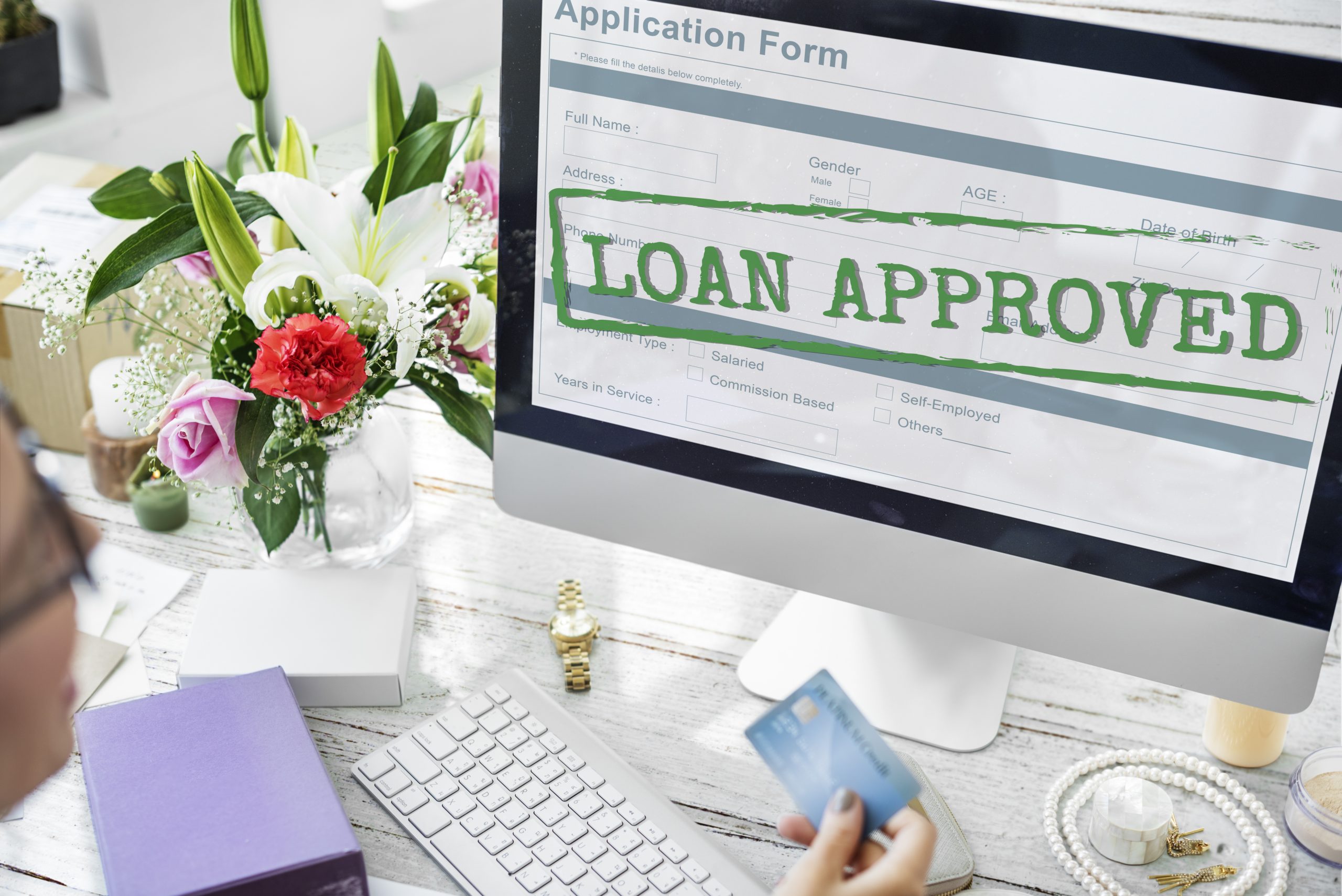
A bonus lands. A raise kicks in. Or maybe a relative just paid back money you had written off. Whatever the source, the same thought shows up almost every time. Why not use this to close that personal loan and get it off your plate for good?
It feels like the responsible move, and often it is. But closing early is not always as clean or as free as people assume. Knowing the real cost before you act can save you from an unpleasant little surprise on the way out.
Here is why lenders are not always thrilled when you repay early. It cuts into the interest they were counting on. So many of them include fees just to cushion against the loss. Understand these charges first, and you will know whether closing early genuinely saves you money, or just feels good without actually paying off.
Why Do Lenders Charge a Fee for Early Closure at All?
Think of it from the lender’s side for a second. When they hand you a loan, they are banking on interest income spread across the entire tenure. Pay everything off in year two instead of year five, and that expected income takes a hit. A foreclosure charge is simply how they claw some of that back.
This shows up more often with loans taken through a quick loan app, or with fixed-rate personal loans, than with flexible credit lines. The charge itself is usually a percentage of whatever principal is still outstanding, and the exact number swings quite a bit depending on the lender and the type of loan sitting in front of you.
How Much Does Foreclosure Usually Cost?
Most lenders land somewhere between two and five percent of the remaining amount. Say you still owe three lakh rupees. That two to five percent range translates to something between six thousand and fifteen thousand rupees, just to shut the loan early. Not pocket change, but not always a dealbreaker either.
A few lenders tack on GST as well, which nudges the final number up a bit more. Before you commit to anything, just ask. What is the exact percentage? Does tax apply on top of it? Two simple questions in less than half a minute, and you have your answer.
Does the Timing of Closure Change the Cost?
It does, and this is where a lot of people get caught off guard. Many lenders will not even let you foreclose until a minimum lock-in period has passed, usually somewhere between six months and a year from when the loan started. Have the cash ready on day thirty? Doesn’t matter. The lender simply will not let you close it yet.
Once that lock-in window passes, the story often gets a little friendlier. Some lenders reduce the amount of the foreclosure fee depending on how long you have stayed. Closing in year three can genuinely cost less, in percentage terms, than closing in year one. Do not assume the fee is fixed. Ask, and check the actual number for your stage of the loan.
When Does Paying the Foreclosure Fee Still Make Sense?
Even with the fee attached, closing early is usually still the smarter call, especially with a good chunk of tenure remaining. Interest continues to add up each month while you owe the loan money. Paying a one-time fee of a few thousand rupees can easily work out cheaper than dragging that interest out over another two or three years.
Here is a quick way to check. Add up the total interest you would pay if you let the loan run its full course. Then compare that against the foreclosure fee plus whatever interest you have already paid. If the fee is clearly the smaller number, closing early is the right call. It may be prudent to work out the sums before reaching any conclusion.
When Should You Consider Taking Out a Quick Loan?
Near the end of your tenure, the whole calculation flips. Most quick loan structures front-load the interest, which means your later EMIs are mostly chipping away at the principal, not the interest. Close a loan with only a handful of months left, and once the foreclosure fee is factored in, you might barely save anything at all.
In such cases, it is usually better to simply allow the rest of the EMIs to play out as they are supposed to. Just take the extra money available to you and park it somewhere it will do some good – either your emergency savings account or a new investment.
What Should You Check Before Deciding?
Before closing anything early, get the exact foreclosure amount from your lender in writing. Not a rough estimate over a phone call, an actual figure, with all applicable charges spelled out. After which you compare that figure with the savings in interest payments that you will be getting by closing now instead of at a later date.
It also helps to dig out your original quick loan agreement and read the foreclosure clause again. It is usually right there in plain terms, even if you skimmed straight past it the first time around.
The Bigger Picture
It is always advisable to close your loan early. But then again, closing your loan is not a free meal, and that is what makes people slightly irked at the fee structure they did not know about earlier.
So do not just go on gut feeling. Pick up a calculator or even a piece of paper from the back pocket of your wallet and work out the calculations first. Even a small upfront fee, weighed against interest savings for several years ahead, can turn your idea of a good move into an actual saving instead of a good intention gone wrong.