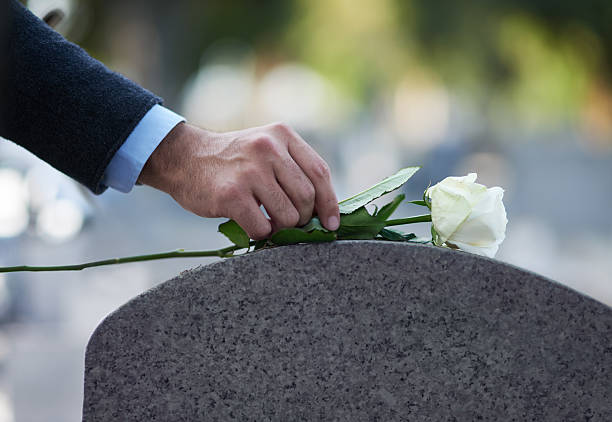
The period immediately after a funeral service can be an important time for family and friends. After the formality and emotion of the ceremony, gathering together provides an opportunity to talk, share memories and offer support in a more relaxed setting.
Often referred to as a wake or funeral reception, this gathering can take many forms. It might be a quiet afternoon with close relatives, a larger event involving friends and colleagues, or an informal occasion centred around food, photographs and stories. There are no strict rules, so families can arrange something that feels appropriate for the person they are remembering.
Choosing the Right Venue
One of the first decisions is where to hold the gathering. The most convenient option is often somewhere close to the funeral venue, particularly when guests have travelled from different parts of the country.
Pubs, hotels, restaurants, community halls and function rooms are all common choices. Some families prefer to gather at home, especially when the number of guests is relatively small.
Consider accessibility as well as location. Elderly or disabled guests may need step-free access, convenient parking and suitable facilities. It is also worth checking how many people the venue can comfortably accommodate.
Deciding Who to Invite
Some wakes are open to everyone who attends the funeral, while others are private gatherings for relatives and close friends. Either approach is perfectly acceptable.
If everyone is welcome, details can be included with the funeral information or announced at the end of the service. For a smaller reception, invitations can be shared directly with the people concerned.
Having an approximate idea of numbers will make it easier to arrange the venue, catering and seating. However, attendance after a funeral can sometimes be difficult to predict, so allowing some flexibility is useful.
Arranging Food and Refreshments
Food at a funeral reception does not need to be elaborate. Sandwiches, cakes, pastries and other buffet-style dishes are popular because guests can help themselves and eat whenever they wish.
Tea and coffee are usually appreciated, while some venues may also offer alcoholic and soft drinks. If you are using a pub, hotel or restaurant, ask whether they have specific funeral reception packages.
For families organising a funeral reception or wake, keeping arrangements straightforward can help reduce unnecessary pressure at an already difficult time. The purpose of the gathering is not to provide an elaborate event but to create a comfortable space where people can be together.
Adding Personal Touches
A reception can provide more opportunities for personalisation than the funeral service itself. Photographs are a simple and effective way to celebrate someone’s life, whether displayed individually, arranged on boards or shown as a slideshow.
Families might also display meaningful possessions connected with hobbies, work, travel or achievements. A keen gardener might be remembered through photographs of their garden, for example, while sporting memorabilia could be appropriate for someone who closely followed a particular team.
A memory book can also be placed somewhere accessible so guests can write messages, stories or recollections. These contributions can become a treasured keepsake for the family afterwards.
Creating the Right Atmosphere
A wake does not have to be entirely sombre. Although grief will naturally be present, it is common for people to laugh as they recall favourite stories and memorable moments.
Music can help create a warm atmosphere. Rather than choosing formal funeral music, families might play songs or artists the person enjoyed. Keeping the volume relatively low allows guests to talk comfortably.
There is usually no need for a formal schedule. Allowing people to arrive, find refreshments and speak with one another naturally is often enough. However, someone may wish to say a few words or invite guests to raise a toast.
Considering the Costs
Funeral receptions can range from modest gatherings at home to catered events at large venues. Setting a budget early can help prevent costs from becoming difficult to manage.
When comparing venues, check exactly what is included in the quoted price. Room hire, catering, drinks and staffing may be charged separately.
There are also plenty of ways to arrange a meaningful gathering on a smaller budget. Holding the wake at home or in a local community hall and providing simple refreshments can work extremely well.
Asking Others to Help
Organising a funeral can involve many decisions in a short period, and close relatives should not feel that they have to manage everything themselves.
Friends and extended family members may be willing to contact venues, arrange refreshments, collect photographs or welcome guests. Delegating a few practical jobs can make the process considerably easier.
If the reception is being held at a professional venue, staff can often take care of much of the practical organisation on the day.
Bringing People Together to Remember
Ultimately, a funeral reception is about people rather than formalities. It provides time for those who knew the person to come together after the service, exchange memories and support one another.
Whether the gathering involves dozens of guests in a hired venue or a handful of relatives sharing tea at home, its value comes from creating space for remembrance and connection.
Keeping the arrangements manageable and focusing on what would have suited the person who died can help create a gathering that feels genuine, welcoming and appropriate