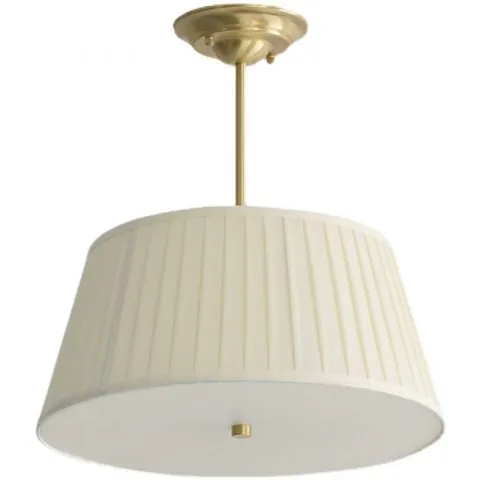
Online shopping has made it easy to buy almost anything for the home in a few taps, and lighting is no exception. Listings show prices, dimensions and photos, and delivery is quick. Yet many homeowners find that lights bought online look quite different once they are installed. The real question is not whether online or showroom buying is better, but which purchases each one suits.
What You Can Judge Online
Online listings work well for facts. Dimensions, wattage, fitting type, cut-out size and price are easy to compare across products on a screen. For straightforward replacements, such as swapping a downlight for one of the same size or reordering a fitting already used elsewhere in the home, buying online is efficient and perfectly sensible.
Online browsing is also a useful first step for bigger decisions. Looking through a retailer’s range before visiting helps narrow down styles and set a realistic budget. Many homeowners start by browsing the full product range online to build a shortlist, then confirm the final choice in person.
What Photos Cannot Show You
Some qualities simply do not come through on a screen. Product photos are taken under studio conditions and often edited, so they rarely show how bright a light really is or how warm or cool its white appears. The difference between warm white and cool white is far easier to see in person than to imagine from a number on a listing.
Fan noise and airflow are another blind spot. A ceiling fan’s motor hum, any blade wobble and the strength of its breeze cannot be judged from a photo or short video, yet these are the details that decide whether a bedroom fan is pleasant to sleep under.
Scale and finish are the third. A chandelier or pendant that looks balanced in a photo may be too large or too small for a real dining room, and matte, brushed and polished finishes look quite different under real light than they do on a phone screen.
When a Showroom Visit Is Worth It
A showroom visit pays off most for purchases that are expensive, highly visible or hard to replace. Ceiling fans, statement lighting for living and dining areas, and fittings for a full renovation all fall into this group. Seeing ceiling fans running side by side, for example, makes it much easier to compare noise and airflow than any specification sheet. Showroom staff can also answer layout questions, such as whether a fan suits a low ceiling or how many downlights a room needs.
What to Look For in a Showroom
When looking for a light shop Singapore homeowners can rely on, a few signs stand out. A wide range across lighting, fans and fittings makes it possible to plan a whole home in a single visit. Working displays, staff who understand HDB and condo layouts, and clear after-sales support are just as important. A retailer that offers both a showroom and an online store gives homeowners the flexibility to research at home and confirm in person.
The Middle Ground: Use Both
For most renovations, the best approach combines both channels. Browse online to shortlist, visit a showroom to confirm the items that matter most, and reorder simple replacements online later. This keeps the convenience of online shopping while avoiding the most common regrets, such as lights that are too harsh, fans that are too noisy or fittings that are the wrong size for the room.
Questions to Ask Wherever You Buy
Whichever channel homeowners choose, a few questions protect the purchase. What is the warranty, and who handles claims? Are replacement parts available? Is installation offered, and does the fitting need a licensed electrician? What is the return policy if a fitting does not suit the space? Clear answers to these questions matter as much as the price on the tag.
Making the Decision
Buying online and buying at a showroom are not competing choices; they suit different stages of the same purchase. Using each where it is strongest leads to a home that looks the way it was planned.