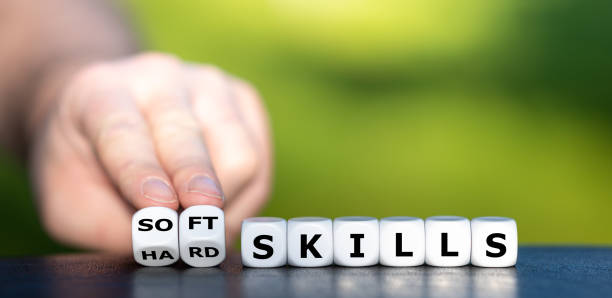
In today’s fast-changing world, technical knowledge alone is no longer enough to guarantee success. Degrees, certifications, and hard skills remain important, but they are no longer the only factors that define professional growth. In an era shaped by digital transformation, automation, and artificial intelligence, soft skills have become more valuable than ever before. These human-centered abilities—such as communication, emotional intelligence, adaptability, teamwork, and problem-solving—are what truly differentiate individuals in the modern workplace.
The Changing Nature of Work
The workplace has undergone a dramatic transformation in the last decade. Technology has automated many repetitive and technical tasks. Machines can now analyze data, generate reports, and even write code. While technical skills are still necessary to operate these systems, what machines cannot replicate easily are human emotions, empathy, creativity, and interpersonal understanding.
As companies adopt advanced technologies, they increasingly look for employees who can collaborate effectively, think critically, and adapt quickly to change. In a world where change is constant, adaptability has become a survival skill. Employees who can learn new tools, adjust to shifting roles, and remain calm under pressure are more valuable than those who rely solely on fixed technical expertise.
Communication: The Foundation of Success
Communication is one of the most essential soft skills in any profession. Whether you are a manager, a student, an entrepreneur, or a team member, the ability to clearly express ideas and listen actively determines your effectiveness.
Good communication prevents misunderstandings, strengthens relationships, and builds trust. In remote and hybrid work environments, clear communication has become even more critical. Without face-to-face interaction, professionals must rely on written messages, video calls, and digital platforms. Miscommunication can easily occur if clarity and empathy are missing.
Strong communicators not only speak well but also listen carefully. Active listening helps in understanding different perspectives and resolving conflicts efficiently. This skill improves teamwork and enhances productivity across organizations.
Emotional Intelligence in Leadership
Emotional intelligence (EQ) refers to the ability to understand and manage one’s emotions while also recognizing and influencing the emotions of others. In leadership roles, emotional intelligence is often more important than technical knowledge.
Leaders with high emotional intelligence inspire trust, motivate teams, and handle conflicts maturely. They understand when a team member feels overwhelmed and know how to provide support. In stressful situations, emotionally intelligent leaders remain calm and make balanced decisions.
Research consistently shows that organizations with emotionally intelligent leaders have higher employee satisfaction and better overall performance. In today’s competitive environment, companies value leaders who can build positive workplace cultures.
Teamwork in a Connected World
Modern projects are rarely completed by one individual. They require collaboration between different departments, backgrounds, and sometimes even countries. Teamwork has therefore become an essential skill.
Working effectively in a team involves respecting diverse opinions, sharing responsibilities, and maintaining accountability. It also requires compromise and conflict resolution skills. When team members understand each other and communicate openly, they create an environment of trust and innovation.
Globalization has also increased cross-cultural collaboration. Professionals must be culturally aware and sensitive. Soft skills help individuals navigate these differences respectfully and productively.
Adaptability and Lifelong Learning
The speed of change in industries today is unprecedented. New technologies, tools, and business models emerge constantly. Professionals who resist change risk becoming outdated. Adaptability—the ability to embrace change and learn continuously—has become a key factor in long-term success.
Soft skills support lifelong learning. Curiosity, open-mindedness, and resilience allow individuals to grow in dynamic environments. When faced with challenges, adaptable individuals do not panic; instead, they look for solutions and opportunities.
For example, during global disruptions such as pandemics or economic shifts, employees who quickly adapted to remote work, new digital platforms, and changing responsibilities maintained stability in their careers. Adaptability is no longer optional; it is essential.
Problem-Solving and Critical Thinking
Technical knowledge can help identify problems, but creative thinking and analytical skills are required to solve them effectively. Employers increasingly seek individuals who can evaluate situations, consider multiple perspectives, and make informed decisions.
Problem-solving involves both logic and creativity. It requires collaboration, communication, and emotional awareness. Complex problems often involve people, not just data. Understanding human behavior and motivations becomes crucial in finding sustainable solutions.
In entrepreneurship, especially, soft skills play a vital role. Entrepreneurs must negotiate, persuade, network, and lead teams. Without strong interpersonal skills, even the best business idea may fail.
The Human Advantage in an AI Era
As artificial intelligence and automation continue to advance, some fear that machines will replace human jobs. While automation may reduce certain roles, it also increases the demand for uniquely human abilities.
Creativity, empathy, ethical judgment, and relationship-building are areas where humans excel. AI can process information, but it cannot truly understand emotions or build meaningful connections. Organizations recognize this and increasingly prioritize soft skills during recruitment.
Employers often state that technical skills can be taught, but attitude and personality are harder to train. A candidate with strong communication, teamwork, and adaptability often has an advantage over someone with only technical expertise.
Personal Growth and Life Success
Soft skills are not limited to professional success. They also enhance personal relationships and overall well-being. Good communication strengthens family bonds. Emotional intelligence improves friendships. Adaptability reduces stress during life changes.
In everyday life, the ability to manage emotions, resolve conflicts peacefully, and empathize with others leads to healthier relationships and greater happiness. These skills contribute to confidence and self-awareness, which are essential for personal development.
Conclusion
Soft skills matter more than ever because the world has become more connected, complex, and technology-driven. While hard skills remain important, they are no longer sufficient on their own. Communication, emotional intelligence, teamwork, adaptability, and problem-solving define true success in the modern era.
As industries continue to evolve, the demand for human-centered skills will only increase. Individuals who invest in developing soft skills will not only enhance their career prospects but also improve their personal lives. In a world where machines are becoming smarter, it is our humanity that sets us apart.