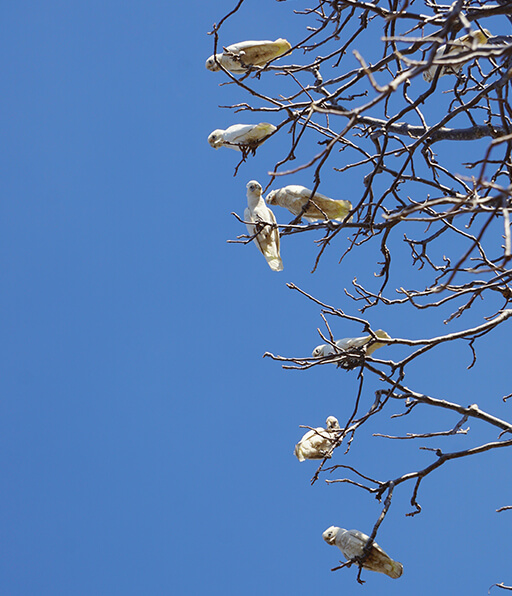
Bird activity on a property often starts small. A few pigeons on a ledge, a nest tucked into a roof cavity, droppings collecting near an entryway. Left alone, that activity tends to settle in rather than move on, and what began as a minor nuisance can turn into an ongoing property-management issue. This is where bird pest control services come in, not just to remove birds, but to protect the building, the people using it and the way it operates day to day.
How Do Bird Pest Control Services Protect Perth Properties?
Professional bird pest control services protect Perth properties by identifying nesting and roosting activity early, assessing the risks it poses to a site, and applying appropriate exclusion, deterrent, removal and prevention measures. The goal is to reduce property damage, hygiene concerns and operational disruption while addressing the conditions that attracted birds in the first place.
1. Protecting Buildings From Nesting and Roosting
Ledges, parapets, roof cavities and gaps under eaves are common nesting and roosting sites on larger commercial and industrial buildings. Over time, accumulated nesting material and droppings can contribute to blocked gutters, contaminated roof spaces and general maintenance headaches. Not every bird problem leads to structural damage, but the longer birds establish themselves, the harder they are to move on. Our team looks at where birds are landing, where they’re nesting and how they’re gaining access before deciding on the right approach.
2. Reducing Damage to Equipment and Infrastructure
Rooftop assets are often overlooked until birds move in. Solar panels, air-conditioning units, lighting and signage can all be affected by nesting debris, droppings and birds sheltering underneath or around equipment. Cleaning up after established activity is usually more involved than putting exclusion measures in place early, which is why bird pest control Perth businesses often start with addressing access points before a small roosting site turns into a recurring one.
3. Supporting Cleaner, Safer Property Areas
Accumulated droppings, feathers and nesting debris create genuine hygiene and cleaning concerns, especially around food-related areas, walkways, loading docks and shared facilities. These conditions add to cleaning workloads and affect how a property presents to staff, customers and visitors. Addressing the source of the activity, rather than repeatedly cleaning affected areas, is usually the more practical long-term approach.
4. Minimising Disruption to Business Operations
For commercial and industrial sites, bird activity can mean more than an unsightly problem. It can lead to extra cleaning requirements, maintenance disruptions, complaints from staff or customers, and in some environments, damage to stored goods or equipment. Warehouses, shopping centres, factories and government buildings are among the sites where this kind of activity regularly affects day-to-day operations.
5. Preventing Birds From Returning
Removing birds without addressing why they were there in the first place tends to be a short-term fix. Long-term prevention depends on the site, but may involve exclusion netting, spikes, access control, appropriate deterrents and habitat modification, supported by monitoring to check the measures are working. Our approach starts with a proper site assessment, not a one-size-fits-all treatment.
Why Professional Bird Control Is About More Than Removal
We assess the species involved, the extent of the activity, the layout of the property and the safety considerations before recommending a course of action. Appropriate bird proofing and deterrents are selected based on what’s actually happening on site, and any control methods used need to take account of relevant WA wildlife-management requirements.
Reactive vs Preventative Bird Management
Reactive control means waiting until birds are already causing visible damage, contamination or complaints. Preventative management means identifying attractive nesting and roosting areas early and putting proofing or deterrent measures in place before problems escalate. Early assessment often keeps a manageable bird issue from becoming a larger, more disruptive one.
When Should Perth Property Owners Consider Professional Bird Control?
It’s worth arranging an assessment if you’re seeing recurring nesting, increasing bird numbers, persistent droppings, blocked gutters, birds entering roof cavities, damage to rooftop equipment, complaints from staff or customers, failed DIY deterrents, or activity spreading across multiple areas.
Conclusion
Bird pest control is ultimately about protecting a property, not just moving birds along. From roofs and equipment to hygiene, operations and long-term maintenance, the right approach depends on understanding what’s happening on site and why. Urban Edge Wildlife Management works with commercial, industrial and public properties across Perth to assess bird activity properly and put measures in place that hold up over time.
FAQs
What does bird pest control involve?
It typically involves a site inspection, identifying the bird species and extent of activity, and selecting appropriate control methods such as removal, proofing, exclusion or deterrents based on the specific conditions found on the property.
Can bird control services prevent birds from returning?
Yes, when the approach includes exclusion, proofing and habitat modification alongside removal. Addressing access points and attractive nesting conditions is generally more effective long-term than removal alone, though results depend on the site..
Is professional bird control suitable for commercial properties?
Yes. Commercial, industrial and public sites often deal with larger-scale bird activity affecting operations, hygiene and equipment, and typically require a site-specific assessment rather than a standard, one-size-fits-all treatment.