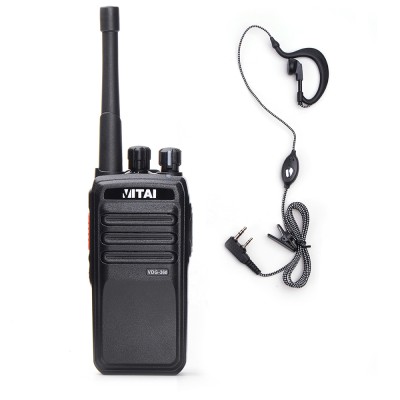
The Role of Two-Way Radios in Construction
Construction sites rely on clear communication to coordinate workers, manage equipment and respond quickly to changing conditions. With multiple teams often working across large or noisy environments, mobile phones are not always practical. Professional two way radios provide a dedicated communication method that can help keep information moving between site managers, contractors, engineers and other personnel.
Why Communication Matters on Construction Sites
Construction projects involve numerous activities taking place simultaneously. Groundworks, deliveries, machinery operation, electrical installation and finishing work may all require coordination between different teams.
A delay in communication can affect productivity and, in some circumstances, site safety. Workers may need to communicate changes to schedules, report equipment issues or coordinate the movement of vehicles and materials.
Two-way radios allow users to communicate directly without relying on mobile phone networks or individual calls. This can make them particularly useful when several people need to receive the same information.
How Two-Way Radios Are Used in Construction
Two-way radios can support a variety of everyday construction activities. Their applications depend on the size and nature of the site, but several common uses are found across the industry.
Coordinating Site Teams
Site managers can use radios to communicate with supervisors and workers across different areas of a project. This can reduce the need for personnel to physically travel between locations simply to pass on information.
For larger developments, radios can also be organised into different communication groups. For example, supervisors, security personnel and plant operators may have separate channels while still being able to communicate when required.
Managing Deliveries and Vehicles
Construction sites frequently receive deliveries of materials, machinery and equipment. Radio communication can help coordinate vehicle movements and ensure the relevant personnel know when deliveries are arriving.
This can be particularly useful where access routes are restricted or where vehicles need to move through areas occupied by workers or machinery.
Communicating Around Heavy Machinery
Construction environments can be noisy, making verbal communication difficult. Machinery such as excavators, cranes and dump trucks can create substantial background noise.
Radios with suitable audio performance and accessories can provide a more practical way for workers to communicate while operating or working near machinery. Depending on the environment, headsets or speaker microphones may also be used.
Radio Communication and Construction Site Safety
Communication is an important part of construction site management. Workers may need to report hazards, communicate changes to working arrangements or alert colleagues to incidents.
Radios should not be considered a replacement for established health and safety procedures, however. They are one communication tool within a wider system that can include signage, site inductions, alarms, written procedures and face-to-face communication.
Clear radio protocols can also help prevent confusion. Users should understand which channels are used for particular teams, how to identify themselves and when important messages need to be repeated or confirmed.
Choosing Radios for Different Construction Environments
The most suitable radio system depends on the project and working environment. A small construction site may have relatively straightforward communication requirements, while a major infrastructure project could involve multiple teams spread over a much larger area.
Range and Site Size
Radio range is affected by factors such as buildings, terrain, construction materials and physical obstructions. The manufacturer’s stated range may therefore differ considerably from the practical range achieved on an active construction site.
For larger sites, radio systems may require additional infrastructure to provide suitable coverage.
Durability
Construction environments can expose equipment to dust, moisture, impacts and frequent handling. Radio equipment intended for these conditions may therefore require appropriate levels of durability and protection.
The operating environment should be considered when selecting equipment, particularly for outdoor projects or sites where radios may be exposed to changing weather conditions.
Battery Life
Radios may be used throughout long working shifts, making battery capacity an important consideration. Spare batteries, charging stations or other charging arrangements can help ensure equipment remains available when required.
Analogue and Digital Radio Systems
Construction businesses can choose between analogue and digital radio systems depending on their requirements.
Analogue radios provide straightforward voice communication and remain suitable for many basic applications. Digital systems can provide additional functionality, such as clearer audio in some conditions, user identification, private calling and data-related features.
The appropriate choice depends on factors including the number of users, required features, coverage and existing communication infrastructure.
Developing Effective Radio Procedures
Having suitable equipment is only one part of effective radio communication. Construction teams can also establish simple procedures for using radios consistently.
Workers should know which channel to use, how to make a call and how to communicate important information clearly. Short, precise messages can reduce unnecessary radio traffic and make it easier for users to identify urgent communications.
Regular checks of batteries, equipment condition and accessories can also help maintain reliable communication throughout a project.
The Role of Two-Way Radios in Modern Construction
Construction sites increasingly combine traditional communication methods with digital technologies, mobile applications and connected equipment. Despite these developments, two-way radios remain relevant where teams need immediate group communication in demanding working environments.
Their value comes from providing a dedicated communication channel that can connect multiple workers quickly. When incorporated into a wider communication and safety strategy, radio systems can support coordination across construction sites of different sizes and complexity.