The world is changing rapidly, and education is evolving along with it. Technology has transformed the way we communicate, work, and live—and now it is reshaping how we learn. The future of learning in a digital world is not just about using computers or attending online classes. It is about creating smarter, more flexible, and more personalized educational experiences that prepare individuals for a fast-paced and interconnected global society.
One of the most significant changes in modern education is the rise of online learning platforms. Websites and applications such as Coursera, Udemy, and Khan Academy have made high-quality courses accessible to millions of people worldwide. Students no longer need to be physically present in a classroom to gain knowledge. With just a smartphone or a laptop and an internet connection, anyone can learn new skills, from coding and graphic design to business management and language studies.
Digital learning offers flexibility that traditional classrooms often cannot provide. Students can learn at their own pace, revisit difficult topics, and study according to their schedules. This is especially beneficial for working professionals, parents, and individuals living in remote areas. In countries like India, where access to quality education may vary across regions, digital platforms are helping bridge the educational gap. Learners from small towns can now access the same resources as students in major cities.
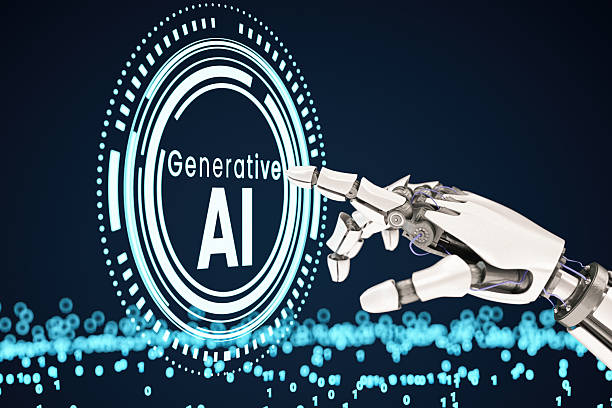
Another major development in the future of learning is the use of Artificial Intelligence (AI). AI-powered systems can analyze students’ learning patterns and provide personalized recommendations. For example, adaptive learning platforms adjust the difficulty level of questions based on a student’s performance. This ensures that learners are neither bored with easy content nor overwhelmed by complex material. Personalized learning improves engagement and helps students build confidence.
Virtual Reality (VR) and Augmented Reality (AR) are also revolutionizing education. Instead of simply reading about historical monuments, students can take virtual tours of places like the Great Wall of China or explore the surface of Mars through immersive simulations. Medical students can practice surgeries in a virtual environment, and engineering students can experiment with 3D models without expensive equipment. These technologies make learning more interactive and engaging, turning theoretical knowledge into practical experience.
Collaboration in a digital world has also become easier than ever. Tools like Google Workspace and Microsoft Teams allow students to work together on projects in real time, even if they are in different parts of the world. This global connectivity encourages cultural exchange and teamwork, which are essential skills in today’s workforce. Learning is no longer limited to a classroom; it has become a global network of shared knowledge.
However, the digital transformation of education is not without challenges. One of the biggest issues is the digital divide. Not everyone has access to reliable internet connections or modern devices. In many rural and underdeveloped areas, students still struggle with basic infrastructure. To ensure that the future of learning is inclusive, governments and organizations must invest in digital infrastructure and affordable technology.
Another challenge is maintaining focus and discipline in an online environment. Digital devices offer many distractions, from social media to online games. Students must develop self-discipline and time management skills to succeed in digital learning. Teachers also need proper training to use technology effectively and create engaging online content. Professional development programs are essential to help educators adapt to new teaching methods.
Cybersecurity and data privacy are additional concerns in a digital learning ecosystem. As students share personal information and participate in online activities, protecting their data becomes crucial. Educational institutions must implement strong security measures and educate students about safe online practices.
Looking ahead, the future of learning will likely blend traditional and digital methods. Hybrid learning models, which combine classroom instruction with online resources, are becoming increasingly popular. This approach offers the best of both worlds: face-to-face interaction with teachers and the flexibility of digital tools. Schools and universities are gradually redesigning their curricula to integrate technology in meaningful ways rather than using it as a simple add-on.
The role of teachers will also evolve. Instead of being the sole source of information, teachers will act as facilitators and mentors. They will guide students in finding reliable information, thinking critically, and applying knowledge creatively. In a digital world where information is abundant, the ability to evaluate and use information wisely becomes more important than memorizing facts.
Moreover, lifelong learning will become a necessity rather than a choice. As industries adopt new technologies such as automation and artificial intelligence, workers must continuously update their skills. Digital platforms make it easier for individuals to reskill and upskill throughout their careers. Learning will not end with a degree; it will become a continuous journey.
In conclusion, the future of learning in a digital world is full of opportunities and challenges. Technology is making education more accessible, personalized, and interactive. From AI-driven platforms to immersive virtual experiences, digital tools are transforming how knowledge is delivered and consumed. At the same time, issues like the digital divide, cybersecurity, and the need for self-discipline must be addressed.
If managed wisely, digital transformation can create an education system that is more inclusive, flexible, and future-ready. The key lies in balancing technology with human connection, innovation with responsibility, and accessibility with quality. As we move forward, embracing digital learning with thoughtful planning and equal opportunities will shape a brighter and more empowered generation.