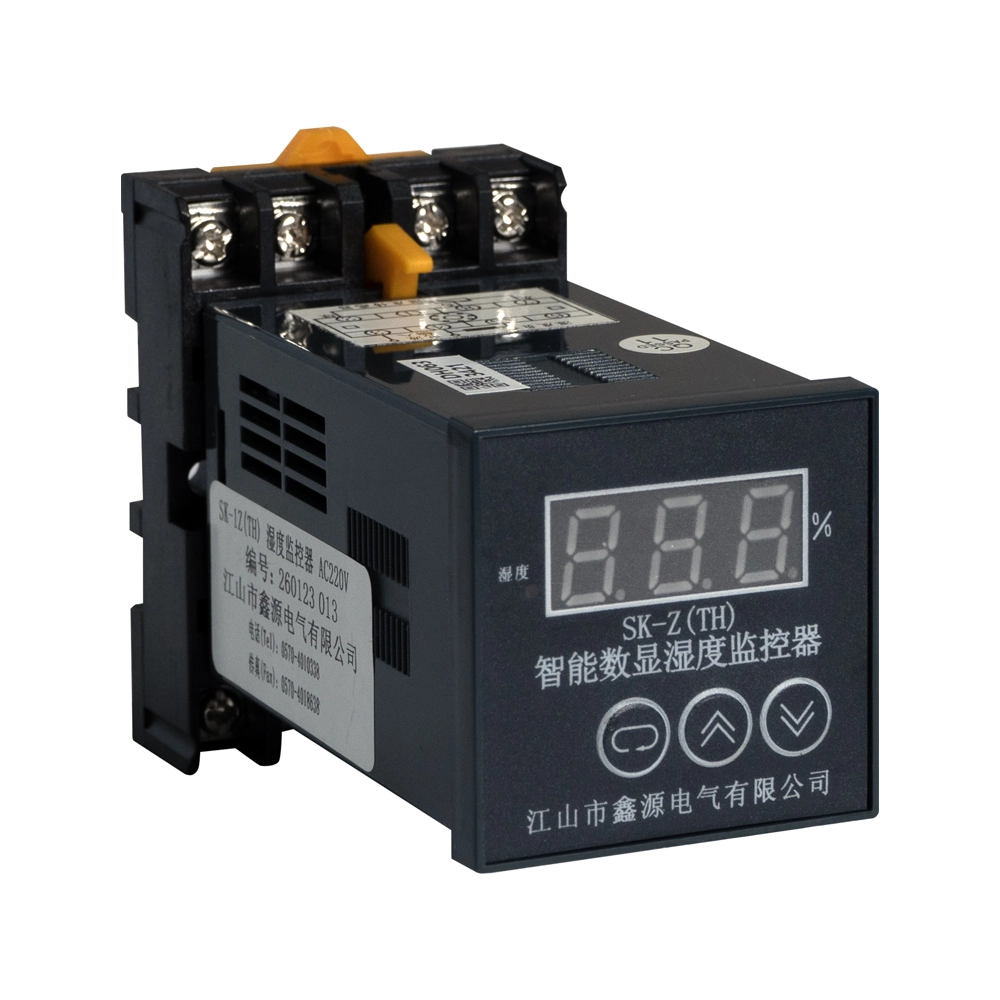
Stable humidity protects equipment, materials, and products from moisture-related damage. A humidity controller measures environmental conditions and adjusts connected equipment according to predefined settings. Its operation depends on sensors, control logic, electrical outputs, and suitable conditioning equipment. When humidity rises above the target range, the system can activate dehumidification. When moisture levels fall below the required threshold, it can initiate humidification. This feedback process reduces unnecessary fluctuations and helps maintain consistent operating conditions. Industrial facilities, laboratories, storage rooms, and electrical enclosures often require different humidity ranges. Operators should therefore select settings according to actual environmental requirements. Correct installation and equipment sizing also influence performance. Without reliable measurements and appropriate control responses, even advanced systems may struggle to maintain stable conditions.
How Humidity Sensors Measure Environmental Changes
Humidity sensors provide the measurements that control systems use to evaluate surrounding air. Capacitive sensors measure changes in electrical capacitance caused by moisture absorption within a sensing material. Resistive sensors detect changes in electrical resistance as moisture conditions vary. Both technologies can support environmental monitoring, although their accuracy, response time, and operating limits differ. Sensor specifications should include measurement range, accuracy, repeatability, and temperature compensation. For example, a sensor rated at ±3% relative humidity may show meaningful differences from actual conditions. These deviations matter when applications require narrow humidity tolerances. Dust, chemical vapors, condensation, and aging can also affect readings. Manufacturers should specify suitable operating environments and maintenance intervals. Selecting an appropriate sensing technology establishes a reliable foundation for consistent regulation.
Setting the Target Relative Humidity Range
A humidity controller uses a target setpoint to maintain a suitable relative humidity range. Relative humidity compares the water vapor in air with the maximum amount possible at the same temperature. Operators should select setpoints according to stored materials, equipment requirements, product specifications, and surrounding conditions. Many indoor environments operate comfortably within moderate humidity ranges. However, electronics storage, pharmaceutical production, and specialized manufacturing may require different limits. No universal setting suits every application. Designers should establish upper and lower thresholds around the target value. This acceptable band prevents the system from reacting to minor measurement changes. Clear operating limits improve stability and help operators identify abnormal conditions before they affect products or equipment.
How Feedback Control Regulates Humidity Levels
Feedback control compares measured humidity against a programmed target and determines the appropriate response. When the measurement exceeds an upper threshold, the controller can activate a dehumidifier or ventilation system. When the reading drops below a lower threshold, it can activate a humidifier if the installation supports one. The controller then monitors subsequent measurements and adjusts its output as conditions change. Relay-based models commonly switch equipment on or off, while advanced models may support proportional signals. Some installations also use programmable logic controllers for more complex sequences. Response timing matters because humidity does not always change immediately after equipment starts. Excessively rapid adjustments can cause unstable operation. Proper control settings account for sensor response, room volume, airflow, and equipment capacity.
Controlling Humidification and Dehumidification Equipment
Different conditioning devices remove moisture or introduce water vapor into the surrounding air. Humidifiers may use evaporative media, ultrasonic transducers, or steam generation, depending on application requirements. Dehumidifiers commonly use refrigeration coils or desiccant materials to extract moisture. The control system must match its electrical outputs to the connected equipment. Relay contacts require suitable voltage and current ratings, while analog outputs may require compatible input signals. Engineers should verify switching capacity, isolation, and protection requirements before connecting loads. Large motors and compressors may need contactors rather than direct relay switching. Interlocks can prevent conflicting operations, such as simultaneous humidification and dehumidification. Appropriate equipment selection helps maintain the target range without excessive energy consumption or unnecessary component wear.
Why Temperature Affects Humidity Regulation
Temperature changes can alter relative humidity even when the air contains nearly the same amount of water vapor. Warmer air can support more water vapor before reaching saturation, so relative humidity generally decreases when air warms without additional moisture. Cooling produces the opposite effect and can increase relative humidity. If a surface falls below the surrounding air’s dew point, water vapor may condense on that surface. Condensation creates particular concerns around electrical terminals, circuit boards, stored products, and metal components. A humidity controller paired with temperature sensors can respond more effectively to changing environmental conditions. Some applications also benefit from dew-point monitoring. Engineers should evaluate temperature gradients, cold surfaces, and seasonal changes before selecting control settings. Coordinated monitoring helps prevent moisture problems that relative humidity readings alone may not fully explain.
Choosing Sensor Locations for Reliable Readings
Sensor placement strongly influences measurement quality and the timing of control responses. A sensor near a humidifier outlet may record unusually high moisture levels before the surrounding space reaches equilibrium. Placement beside heating equipment can produce misleading readings because local temperature changes affect relative humidity. Direct airflow from ventilation ducts may also create measurements that differ from average room conditions. Install sensors in representative locations with adequate air circulation and protection from direct moisture exposure. For electrical cabinets, avoid mounting locations close to heaters, ventilation outlets, or condensation-prone surfaces. Cable routing also deserves attention because electromagnetic interference can disturb electrical signals. Separate low-level sensor wiring from power cables where practical. Follow the manufacturer’s mounting and wiring instructions. Representative measurements help prevent unnecessary switching and improve the consistency of environmental control.
How a Humidity Controller Prevents Frequent Switching
Frequent switching occurs when control equipment repeatedly starts and stops around a narrow threshold. This behavior can increase energy consumption and accelerate wear on relays, compressors, and other mechanical components. Hysteresis establishes a difference between activation and deactivation thresholds. For example, a system might activate dehumidification above 65% relative humidity and stop below 60%. The appropriate values depend on the application and equipment specifications. Time delays provide additional protection by preventing immediate restarts after shutdown. Minimum run times can also help compressors complete suitable operating cycles. However, these settings must not compromise safety or environmental requirements. Operators should evaluate actual humidity trends before changing control parameters. Properly coordinated thresholds and delays reduce unnecessary cycling while preserving acceptable environmental conditions.
Comparing Common Humidity Control Methods
Different control methods suit different applications, equipment capacities, and accuracy requirements. On/off control offers straightforward operation, while proportional control can provide smoother adjustments when compatible equipment supports variable outputs. Integrated environmental systems may coordinate humidity, temperature, and ventilation within a broader control sequence. Consider these practical differences when selecting an appropriate approach:
- On/off control: Activates equipment when measurements cross predefined thresholds. It suits simpler applications with moderate tolerance requirements.
- Proportional control: Adjusts output according to the difference between measured conditions and the target. It requires compatible actuators or variable-capacity equipment.
- Integrated control: Coordinates several environmental variables through shared sensors, programmed logic, and multiple outputs. It suits installations with interacting control requirements.
- Remote monitoring: Transmits measurements and alarms to supervisory systems. It helps operators identify abnormal conditions without remaining beside the equipment.
The best choice depends on the required accuracy, response speed, installation cost, and maintenance capability. Engineers should verify control compatibility before purchasing equipment. More advanced features do not automatically improve performance when the application needs only simple regulation.
Common Factors That Reduce Humidity Control Accuracy
Several factors can prevent a humidity controller from maintaining the intended range. Sensor drift gradually changes measurements, while contamination may interfere with the sensing element. Poor placement can expose sensors to localized conditions that do not represent the monitored space. Undersized humidifiers or dehumidifiers may struggle to overcome moisture loads. Conversely, oversized equipment can produce rapid changes and excessive cycling. Air leakage, frequent door openings, and uncontrolled ventilation introduce additional variability. Incorrect wiring or incompatible output ratings can also prevent reliable equipment operation. Operators should compare sensor readings with an appropriate reference instrument when measurements appear inconsistent. Calibration checks, equipment inspections, and trend reviews help identify developing problems. Correcting the underlying cause generally provides better results than repeatedly adjusting the target setpoint.
Practical Maintenance for Consistent Humidity Control
Regular maintenance helps preserve measurement accuracy and reliable equipment operation. Inspection frequency should reflect operating conditions, manufacturer recommendations, and the consequences of environmental deviations. Dusty, corrosive, or high-humidity environments may require more frequent checks than clean indoor spaces. Maintenance personnel should document readings, alarm events, calibration results, and equipment changes. They should also verify that electrical connections remain secure and protective devices function correctly. Before servicing electrical equipment, isolate the relevant power sources and follow established safety procedures. A practical maintenance checklist includes:
- Inspect sensor surfaces for dust, residue, corrosion, and visible damage.
- Compare readings against a suitable reference instrument at relevant humidity levels.
- Verify setpoints, hysteresis values, alarms, and programmed delays.
- Check relays, contactors, wiring insulation, and terminal connections.
- Inspect humidification and dehumidification equipment for blockages or reduced performance.
- Review operating logs for repeated alarms, abnormal cycling, and unexpected humidity changes.
These checks help distinguish sensor problems from equipment limitations or changing environmental loads. Consistent records also support troubleshooting and maintenance planning. Replace damaged components according to manufacturer specifications rather than relying on repeated adjustments.
Frequently Asked Questions
What Is the Ideal Humidity Setting for a Humidity Controller?
The ideal setting depends on the application, temperature conditions, and sensitivity of the materials or equipment involved. Many general indoor environments use relative humidity targets around 40% to 60%, although specific requirements can differ. Electronic equipment storage, pharmaceutical processes, and industrial production may require narrower operating ranges. Operators should consult equipment manuals, product specifications, and relevant environmental standards before selecting a setpoint. They should also consider condensation risks and seasonal temperature changes. A suitable target includes enough tolerance to prevent excessive switching without allowing harmful moisture fluctuations. Regular monitoring helps determine whether the selected range remains appropriate. When conditions change significantly, reassess the settings against actual operating requirements instead of applying a universal value.
Can a Humidity Controller Operate Both Humidifiers and Dehumidifiers?
Yes, some models can control both humidification and dehumidification equipment through separate outputs. Their configuration typically uses different thresholds for activating moisture addition and moisture removal. This arrangement helps maintain an acceptable range without running both systems unnecessarily. However, the selected model must support the required output channels, electrical ratings, and control logic. Installers should confirm whether the device provides independent relays, analog outputs, or configurable operating modes. They must also establish suitable interlocks and switching delays where necessary. Some basic models support only one connected device, so compatibility should never be assumed. Proper configuration allows coordinated operation, while suitable equipment sizing determines how effectively the installation responds to changing moisture loads.
How Often Should a Humidity Sensor Be Calibrated?
Calibration frequency depends on sensor technology, operating conditions, accuracy requirements, and manufacturer recommendations. Many installations benefit from annual calibration checks, while demanding industrial environments may require shorter intervals. Sensors exposed to chemicals, dust, condensation, or frequent temperature changes can drift more quickly. Operators should also arrange checks when readings become inconsistent or differ noticeably from a reference instrument. Calibration compares the sensor’s output against a known reference under controlled conditions. Some devices permit adjustment, while others require replacement when measurements exceed acceptable tolerances. Maintenance records should include calibration dates, reference conditions, measured deviations, and corrective actions. Regular verification supports dependable monitoring and helps prevent unnoticed measurement errors from affecting environmental control.