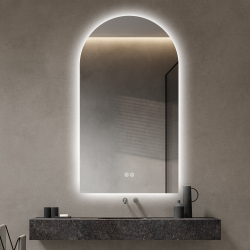
Installing an LED mirror can add useful illumination to a bathroom, dressing area, or vanity space. However, choosing the wrong size, positioning the mirror poorly, or failing to plan electrical requirements can reduce its practical value. Understanding common mistakes before installation can help create a better result.
Choosing the Wrong Size for the Vanity
Mirror proportions should relate to the vanity and surrounding wall.
A very small mirror can look lost above a wide vanity, while an oversized design may feel crowded between cabinets or walls. The position of taps, basins, and storage should also be considered.
Accurate measurements are essential before selecting a model.
Installing the Mirror Too High
A mirror should suit the people who use it regularly.
If it is positioned too high, shorter users may have difficulty seeing themselves comfortably. A fixed installation should account for the household rather than following a height that does not suit everyday needs.
The complete mirror area should be checked before mounting.
Installing the Mirror Too Low
A mirror placed too low can also be inconvenient.
It may sit too close to taps, splash zones, or items stored on the vanity. The lower edge should allow practical use without making the wall arrangement feel compressed.
Vanity height and mirror dimensions should be considered together.
Ignoring Existing Electrical Points
Illuminated mirrors require suitable power connections.
Choosing the mirror before checking wiring locations can create additional installation work. During renovations, electrical planning should happen before wall finishes are completed.
The mirror specifications should be reviewed early in the project.
Assuming the Mirror Will Light the Entire Bathroom
An illuminated mirror may provide useful light around the vanity, but it may not replace all other fixtures.
Showers, toilets, storage areas, and movement zones can still require general illumination. Relying on one source may leave parts of the room too dark.
The mirror should form part of a complete lighting plan.
Choosing Excessive Brightness
Very bright light can be uncomfortable at close range.
Because users stand directly in front of a mirror, glare may be more noticeable than with ceiling lighting. Brightness should support grooming without causing unnecessary discomfort.
Dimming can provide useful flexibility where available.
Using Inconsistent Colour Temperatures
The mirror light and other bathroom fixtures should work together.
Big differences in colour temperature can make the room feel visually inconsistent and may affect how colours appear. Nearby ceiling and wall lights should be considered when choosing a mirror.
A coordinated approach usually creates a more balanced result.
Creating Shadows on the Face
Not all lighting arrangements provide even facial illumination.
Poor light direction can create shadows around the eyes, nose, and chin. The design and position of the illuminated area influence the result.
Practical grooming needs should be considered alongside decorative appearance.
Forgetting About Natural Light
Windows can affect how the mirror is used during the day.
Strong sunlight may create reflections or glare, while a darker bathroom may depend more heavily on artificial illumination. The direction and amount of natural light should be considered.
Daytime and evening conditions may require different brightness levels.
Overlooking Wall Construction
Mirrors can be heavier than they appear.
The wall material, fixing method, and mounting points should be suitable for the product. Electrical connections also need to be positioned correctly.
The installation surface should be assessed before work begins.
Failing to Plan for Cleaning
Bathroom mirrors require regular maintenance.
Water marks, fingerprints, cosmetics, and dust can build up on the surface. Controls and illuminated edges may also need careful cleaning.
The installation position should allow the mirror to be maintained easily.
Ignoring the Rest of the Bathroom Design
A mirror is a prominent feature.
Its shape, frame, proportions, and lighting effect should work with the vanity, tapware, cabinetry, tiles, and other fixtures. Choosing it separately from the rest of the room can create an unbalanced result.
The complete bathroom design should guide the final choice.
Planning a Better LED Mirror Installation
A successful installation depends on accurate measurements, suitable positioning, coordinated lighting, early electrical planning, and secure mounting. Many problems occur when the mirror is chosen for appearance without considering how it will be used.
By reviewing the vanity, wall space, household needs, natural light, and other bathroom fixtures before installation, homeowners can avoid common mistakes and create a more practical lighting arrangement.